The Ultimate Guide to Sterile Medical Flat Rolls: Ensuring Optimal Infection Control
Release time: 2026-05-07
Table of Contents
In the ever-evolving landscape of healthcare, the importance of stringent infection control cannot be overstated. Whether in a bustling metropolitan hospital, a specialized dental clinic, or a local outpatient surgery center, ensuring that medical instruments are completely free from microbial contamination is a fundamental pillar of patient safety. At the heart of this crucial process lies an often-overlooked hero: the sterile medical flat roll.
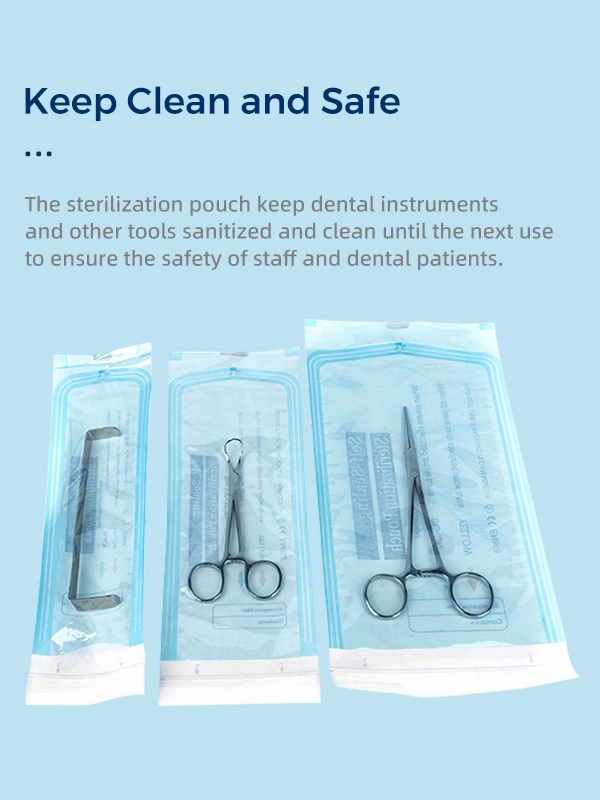
As healthcare facilities face increasing scrutiny regarding hospital-acquired infections (HAIs) and stricter regulatory compliance standards, the demand for reliable, high-quality medical packaging has skyrocketed. A sterile medical flat roll, sometimes referred to as a sterilization pouch roll or autoclave tubing, is an indispensable tool designed to maintain the sterility of surgical instruments from the moment they leave the sterilizer until they are used in a procedure.
This comprehensive guide will delve deep into what sterile medical flat rolls are, how they function within a sterile barrier system, and why choosing the right sterilization packaging is vital for your facility’s success and safety.

What is a Sterile Medical Flat Roll?
A sterile medical flat roll is a continuous length of sterilization packaging used to enclose medical devices and instruments prior to the sterilization process. Unlike pre-cut sterilization pouches, flat rolls offer the flexibility to be cut to the exact length required for specific instruments, reducing waste and accommodating a wide variety of sizes.
Key Materials and Construction
The efficacy of a sterile medical flat roll depends heavily on its construction. High-quality rolls are typically manufactured using two primary materials:
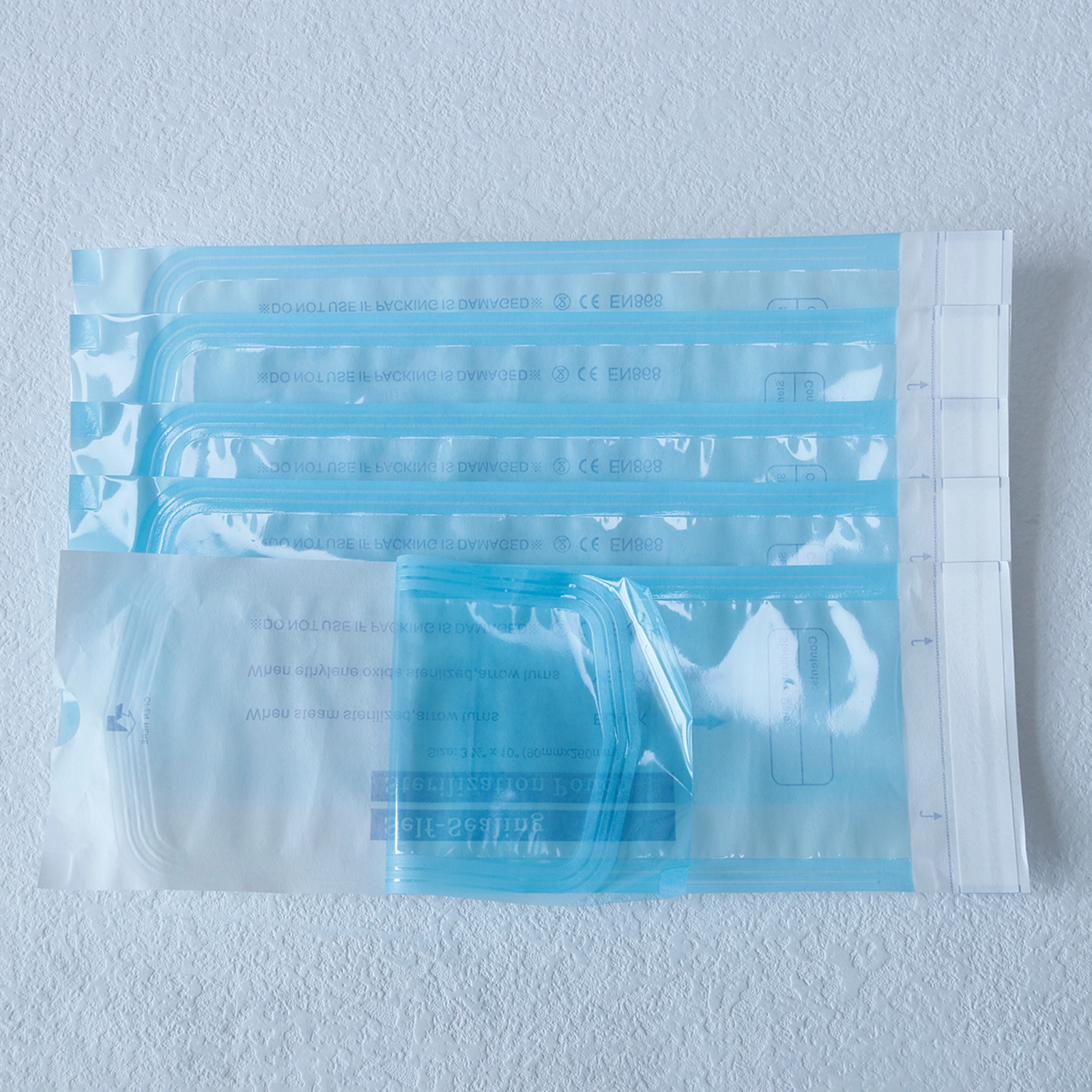
- Medical-Grade Paper: One side of the roll is made from heavy-duty, medical-grade paper (usually 60gsm or 70gsm). This specialized paper is highly permeable to sterilizing agents like steam or Ethylene Oxide (EO) gas, allowing them to penetrate the packaging and sterilize the contents. Crucially, while it lets sterilants in, its microscopic pore structure acts as an impenetrable barrier to bacteria and microorganisms once the sterilization process is complete.
- Transparent Multi-Layer Film: The opposing side is constructed from a transparent, shatter-resistant film, usually a laminate of Polyester (PET) and Cast Polypropylene (CPP). This clear film allows healthcare professionals to easily identify the enclosed instrument without breaking the sterile seal. Furthermore, the film is designed to withstand the high temperatures and pressures of an autoclave without melting or shrinking.
How Sterile Medical Flat Rolls Work
The primary function of any medical packaging is to create a reliable Sterile Barrier System (SBS). This system must allow for the successful sterilization of the enclosed device, maintain absolute sterility until the point of use, and allow for safe, aseptic presentation.
The Sterilization Process
Sterile medical flat rolls are compatible with various sterilization methods, making them highly versatile for different healthcare settings:
- Steam Sterilization (Autoclave): This is the most common method used in clinics and hospitals. The steam easily permeates the medical paper, sterilizing the instrument. The high heat and moisture do not compromise the integrity of the PET/CPP film.
- Ethylene Oxide (EO) Gas Sterilization: For delicate instruments that are sensitive to heat and moisture, EO gas is used. The porous nature of the medical paper allows the gas to enter and exit the packaging effectively.
To ensure the process has been successful, high-quality rolls feature built-in chemical indicators printed on the paper or inside the seal. These indicators change color (e.g., from blue to black for steam, or pink to yellow for EO) when exposed to the specific sterilization conditions, providing an immediate visual confirmation that the package has been processed safely.
Why Sterile Medical Flat Rolls are Essential for Infection Control
The stakes in medical environments are incredibly high. A compromised sterile barrier can lead to severe consequences for both patients and healthcare providers.
Preventing Hospital-Acquired Infections (HAIs)
HAIs are a significant concern globally, leading to extended hospital stays, increased medical costs, and higher mortality rates. By utilizing a premium sterile medical flat roll, facilities create an airtight defense against pathogens. The robust seal and tear-resistant materials ensure that instruments remain pristine during storage and transport, drastically reducing the risk of introducing bacteria into a surgical site.
Regulatory Compliance and Safety Standards
In the modern healthcare sector, compliance is not optional. Facilities must adhere to strict international standards. High-grade sterile medical flat rolls are manufactured to comply with rigorous standards such as ISO 11607 (Packaging for terminally sterilized medical devices) and EN 868. Using compliant packaging is not only a matter of patient safety but also a legal and operational necessity for healthcare providers to pass audits and maintain their accreditation.
Choosing the Right Sterile Medical Flat Roll for Your Facility
Not all sterilization rolls are created equal. When sourcing medical packaging for your clinic or hospital, several factors must be considered to ensure optimal performance.
Size Flexibility and Customization
One of the greatest advantages of using a flat roll rather than pre-made pouches is the ability to customize the length. This is particularly useful for long or awkwardly shaped instruments like endoscopes or specific orthopedic tools. Facilities should stock a variety of widths (e.g., 50mm, 75mm, 100mm, 200mm) to accommodate different instrument sizes efficiently, minimizing wasted material and controlling supply costs.
Quality Indicators and Tear Resistance
When evaluating a supplier, pay close attention to the strength of the seal and the tear resistance of the paper. A weak seal can burst during the vacuum cycle of an autoclave, rendering the sterilization process void. Look for rolls with strong, multi-line seals. Additionally, the packaging must allow for a clean, fiber-free peel when opening. If the paper tears unevenly and releases fibers into the air, those fibers can contaminate the sterile field.
Best Practices for Using Sterilization Rolls
Even the highest quality sterile medical flat roll requires proper handling to guarantee sterility.
Proper Sealing Techniques
Facilities must use a high-quality, medical-grade rotary or impulse sealer. The sealing temperature must be calibrated correctly according to the packaging manufacturer’s instructions to ensure a hermetic seal that will not compromise under pressure. Staff must be trained to leave adequate space between the instrument and the seal to prevent puncturing the film or paper.
Storage and Shelf Life
Once sterilized, packages must be stored in a clean, dry, and temperature-controlled environment away from direct sunlight. While the materials used in sterile medical flat rolls can maintain a sterile barrier for years, the actual shelf life is often determined by the facility’s specific policies, handling practices, and event-related sterility protocols. Packages should be inspected before use; any package that is torn, wet, or dropped on the floor must be considered unsterile and immediately reprocessed.
The Future of Medical Packaging: Sustainability and Innovation
As the healthcare industry continues to advance, there is an increasing focus on sustainability alongside safety. Manufacturers are exploring eco-friendly materials and energy-efficient production methods for medical packaging. Innovations in smart packaging, featuring advanced digital indicators and RFID tracking for better inventory management and traceability, are beginning to emerge, promising to revolutionize how facilities manage and track their sterile supplies.
Conclusion
The sterile medical flat roll is a cornerstone of modern infection control protocols. By understanding its construction, proper usage, and the crucial role it plays in maintaining a sterile barrier system, healthcare facilities can safeguard their patients and streamline their sterilization processes. Investing in high-quality, compliant medical packaging is an investment in patient safety, operational efficiency, and the overall reputation of your healthcare establishment.