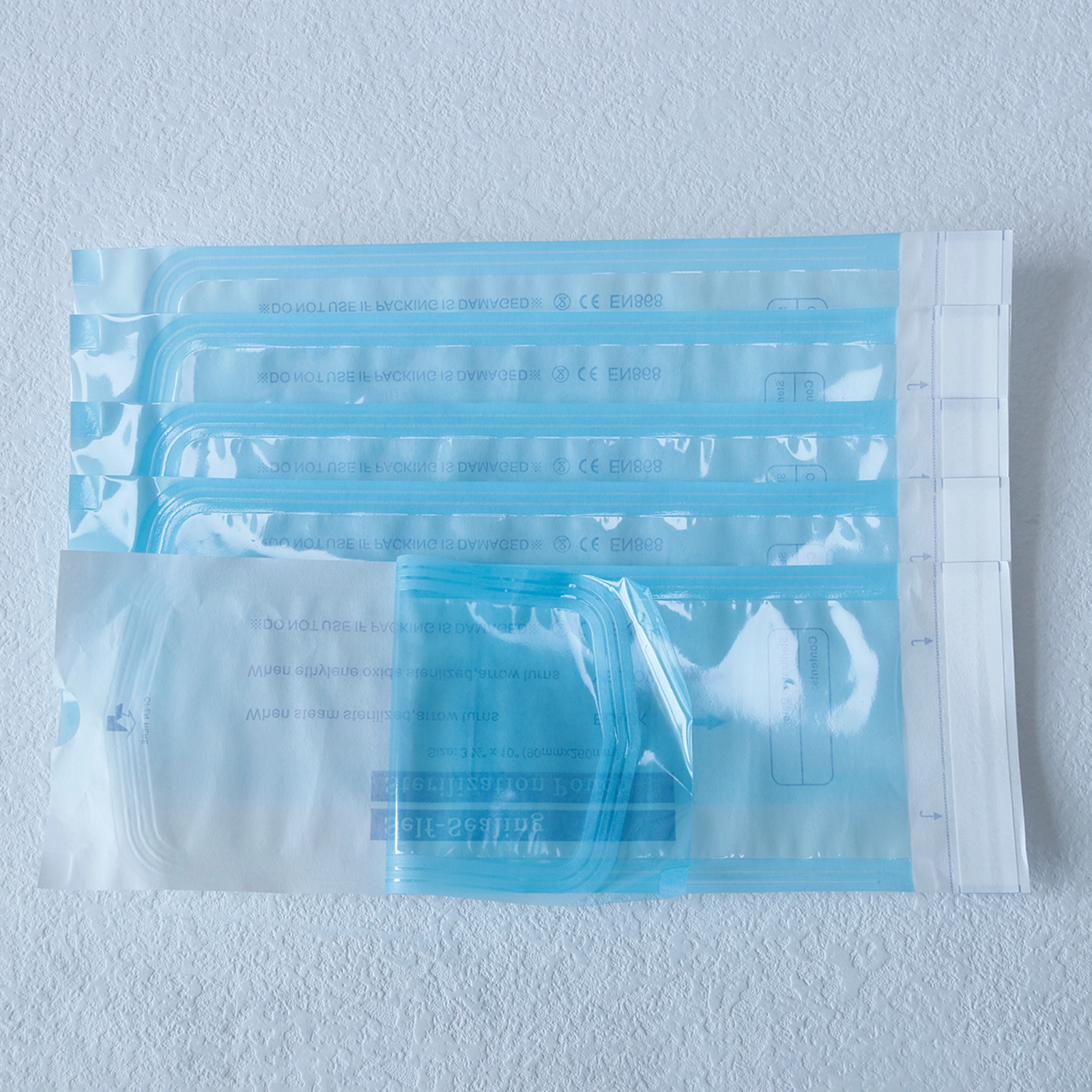
The Ultimate Guide to Surgical Instrument Sterilization Flat Roll Packaging
Release time: 2026-06-17
Table of Contents
In a busy Central Sterile Services Department (CSSD) or a high-volume dental clinic, efficiency is just as critical as absolute sterility. Every day, technicians process hundreds of surgical instruments varying wildly in size and shape—from tiny scalpel handles to elongated orthopedic retractors and laparoscopic tools.
When relying solely on standard, pre-cut sterilization pouches, facilities often run into a common logistical headache: the instrument is either too long for the standard pouch, or placing a small instrument into a massive pouch results in wasted material and higher costs.
This is where surgical instrument sterilization flat roll packaging (often called sterilization tubing or reel pouches) becomes an indispensable asset. By allowing technicians to cut packaging to the exact length required, flat rolls offer unmatched versatility, cost control, and workflow optimization.
In this comprehensive guide, we will explore what flat sterilization rolls are, how they compare to traditional pre-cut pouches, best practices for their use, and what to look for when procuring these essential medical supplies.
What is Flat Roll Sterilization Packaging?
Sterilization flat rolls are continuous lengths of packaging material wound onto a rigid core. Unlike self-sealing pouches that come in fixed dimensions, flat rolls are sealed only along their two parallel sides, leaving the top and bottom open.
The construction typically mirrors the highest-quality pre-cut pouches:
- The Backing: Heavy-duty, medical-grade kraft paper (usually 60gsm or 70gsm) that provides a highly breathable, tortuous path for sterilant gases while blocking microbial penetration.
- The Film: A transparent, multi-layer laminated polymer (such as a PET/CPP blend) that is highly resistant to tearing and allows for immediate visual identification of the enclosed surgical instrument.
Because the material comes on a continuous reel—often measuring 100 meters or 200 meters in length—technicians simply pull the required amount of tubing, cut it, and use a medical rotary or impulse heat sealer to close both ends around the instrument.
Flat Rolls vs. Pre-Cut Pouches: Why Make the Switch?
While self-sealing pre-cut pouches are convenient for rapid, repetitive packaging of standard-sized items, integrating flat rolls into your sterilization protocol offers three distinct operational advantages.
1. Unmatched Versatility for Atypical Instruments
Modern surgical procedures utilize highly specialized tools. Long endoscopes, robotic surgery arms, and extended trocars often exceed the dimensions of off-the-shelf pouches. Flat rolls eliminate the need to hunt for an oversized pouch or dangerously squeeze an instrument into packaging that is too small (which risks puncturing the paper). You simply roll out exactly what you need.
2. Drastic Cost Reduction and Reduced Waste
Using a 12-inch pouch for a 4-inch instrument is a waste of hospital resources. With flat roll packaging, CSSD staff cut the exact length required for each item, minimizing wasted material. Over the course of a fiscal year, minimizing this excess packaging can lead to significant reductions in consumable procurement costs.
3. Streamlined Inventory Management
Stocking 15 different sizes of pre-cut pouches takes up valuable shelf space and complicates inventory tracking. By stocking flat rolls in just a few standard widths (e.g., 5cm, 10cm, 20cm, and 30cm), a facility can accommodate almost any instrument length. This simplifies supply chain management and reduces the risk of running out of a specific pouch size.
Best Practices for Using Sterilization Tubing
To ensure the sterile barrier is maintained from the autoclave to the operating room, proper handling and sealing techniques are mandatory. A flat roll is only as reliable as the seals created by the user.
- Leave Adequate Margins: When cutting the roll, always leave at least 1.5 to 2 inches (3 to 5 cm) of space between the instrument and the heat seal at both ends. This extra space prevents the instrument from puncturing the seal during the vacuum phase of the autoclave cycle, where the pouch will naturally expand and contract.
- Calibrate Your Heat Sealer: Flat rolls require a dedicated medical heat sealer. Ensure the sealer is calibrated to the exact temperature recommended by the roll manufacturer (typically between 150°C and 180°C for standard paper/film rolls). A temperature too low will result in weak seals that burst; a temperature too high will melt the plastic and compromise the sterile barrier.
- Double-Check the Seal Width: International standards (like ISO 11607) dictate that the final heat seal should be continuous and uniformly wide to prevent microbial ingress.
- Mind the Loading Direction: When loading cut-and-sealed roll pouches into the autoclave, arrange them on their edges in a rack, paper-to-plastic, to ensure optimal steam circulation and efficient drying.
Key Features of Premium Flat Sterilization Rolls
When sourcing flat rolls for your healthcare facility or distribution network, not all products are created equal. Using inferior tubing can lead to blowouts in the autoclave, peeling failures in the OR, and compromised patient safety. Look for these critical quality indicators:
- High-Tensile Medical Paper: The paper must resist tearing when handling heavy orthopedic tools and maintain its structural integrity when wet with steam.
- Reinforced Side Seals: The two parallel factory seals running the length of the roll must be exceptionally strong (often triple-sealed) to prevent the tubing from splitting open under pressure.
- Clean Peel Characteristics: When a nurse opens the cut pouch in the operating theater, the film must separate cleanly from the paper without generating microscopic paper lint, which can fall into the sterile field and cause post-operative complications.
- Clear Chemical Indicators: Premium rolls feature color-changing indicator inks printed directly on the outer margins (outside the actual instrument packing area). These should clearly distinguish whether the package has been processed via Steam or Ethylene Oxide (EO) sterilization.
Partner with CLDT for Uncompromising Sterilization Packaging
In the high-stakes environment of medical sterilization, your packaging is your first line of defense against healthcare-associated infections (HAIs). Reliable CSSD workflows demand reliable materials.
At Clean Dental, we engineer our surgical instrument sterilization flat rolls to meet the most rigorous global standards. Combining high-density medical grade paper with exceptionally clear, fracture-resistant polymer films, our rolls are designed for secure heat-sealing, superior breathability, and flawless sterile barrier maintenance.
Whether you are looking to streamline your hospital’s inventory with customizable flat rolls or require robust packaging capable of handling the heaviest surgical trays, Clean Dental provides the consistency, durability, and cost-efficiency your procurement strategy demands.
Upgrade your sterilization protocols today. Choose flexibility, minimize waste, and ensure uncompromised safety with premium flat roll packaging.