Tyvek vs. Medical Paper Sterilization Pouches: Which Is Better?
Release time: 2026-06-04
Table of Contents
When securing the sterile integrity of medical instruments, the packaging material you choose is just as critical as the sterilization equipment itself. In the medical supply and healthcare procurement space, the debate often comes down to the two industry-standard sterile barrier systems: Tyvek® and medical-grade paper.
Both materials are engineered to allow sterilant gases to penetrate while blocking microorganisms, but their structural differences dictate entirely different use cases. Choosing the wrong material does not just lead to wasted budget—it can result in melted packaging, compromised sterility, and severe operational delays.
To determine which is better for your specific application, we must analyze the structural mechanics, strength profiles, and sterilization compatibility of both materials.

The Anatomy of Medical Grade Paper Pouches
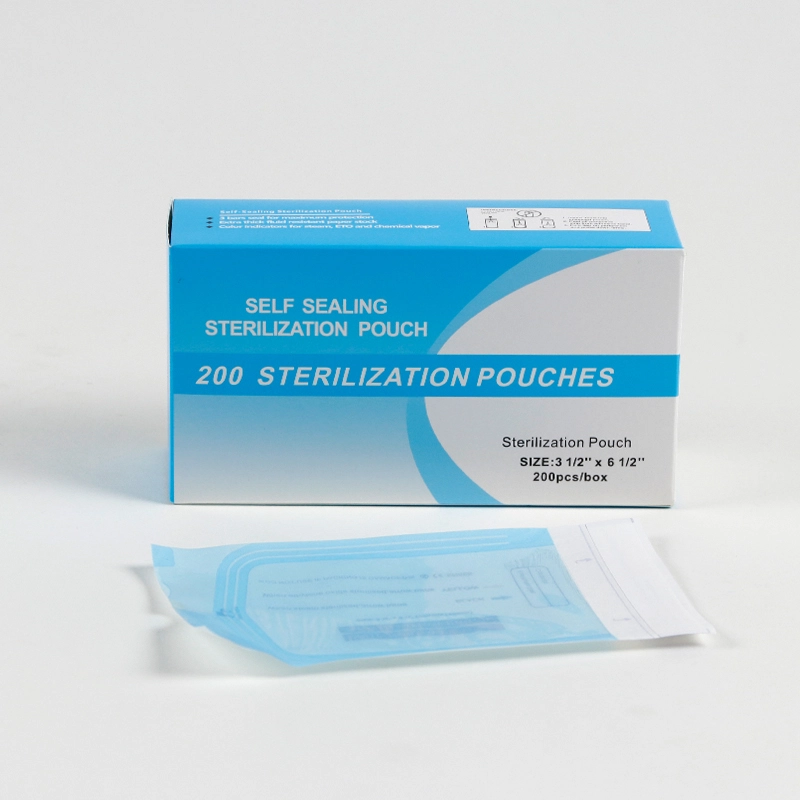
Medical-grade paper is the traditional workhorse of the healthcare packaging industry. These pouches are typically constructed by sealing a high-density, cellulose-based medical paper to a transparent, multi-layer polymer film (such as a PET/CPP laminate).
How Medical Paper Works
Medical paper relies on a “tortuous path” structure. The densely packed cellulose fibers create a microscopic maze. Steam and gases can navigate through this maze to sterilize the contents, but bacteria and microbes—which are physically larger—become trapped in the fibrous web, preventing them from contaminating the instrument after the cycle completes.
Key Advantages:
- Steam Compatibility: Medical paper is highly breathable and excels in standard high-temperature steam autoclaves (121°C to 134°C).
- Cost-Efficiency: As a widely available cellulose product, paper pouches are highly economical for high-volume daily use.
- Flexibility: Compatible with both steam and Ethylene Oxide (EO) sterilization methods.
Limitations:
- Tear Strength: Paper has lower puncture and tear resistance. Heavy or sharp surgical instruments can easily pierce the paper backing if not properly shielded.
- Moisture Vulnerability: If removed from the autoclave before completing the drying cycle, wet paper loses its tensile strength and microbial barrier properties.
The Anatomy of Tyvek Sterilization Pouches
Tyvek is a proprietary material manufactured by DuPont, made from continuous filaments of high-density polyethylene (HDPE) that are randomly distributed and bonded together by heat and pressure. Like medical paper, it is usually sealed to a transparent film to create a pouch.
How Tyvek Works
Because Tyvek is essentially spun plastic, it does not rely on cellulose fibers. Its unique structural web provides an exceptionally strong microbial barrier that is almost impossible for bacteria to penetrate, while still allowing specific chemical sterilants to pass through.
Key Advantages:
- Extreme Durability: Tyvek is up to eight times stronger than standard medical paper. It is highly resistant to punctures, tears, and abrasion, making it ideal for heavy orthopedic sets or sharp trocars.
- Moisture Resistance: Unlike paper, Tyvek is entirely synthetic. It does not absorb moisture, meaning it maintains its full structural integrity even in humid environments.
- Clean Peel: Tyvek offers a superior, virtually lint-free peel when opening the pouch, reducing the risk of particulate contamination in the sterile field.
Limitations:
- Heat Sensitivity (No Steam): Because Tyvek is made of polyethylene, it has a low melting point. Tyvek cannot be used in steam autoclaves. At standard autoclave temperatures (121°C+), Tyvek will melt and fuse to the instruments.
- Higher Cost: The advanced manufacturing process of Tyvek makes it a premium, higher-cost packaging solution compared to paper.
Direct Comparison: At a Glance
The choice between the two materials ultimately depends on your facility’s primary sterilization method and the nature of the instruments being packaged.
| Feature | Medical Grade Paper | Tyvek® (HDPE) |
| Material Base | Cellulose fibers | Spunbond Polyethylene |
| Puncture Resistance | Moderate | Exceptionally High |
| Moisture Resistance | Low (weakens when wet) | High (water-resistant) |
| Linting on Peel | Low to Moderate | Very Low (Clean peel) |
| Relative Cost | Economical | Premium |
Sterilization Compatibility
This is the most critical differentiator. You must align the packaging material with your available hardware.
| Sterilization Method | Medical Paper | Tyvek® |
| Steam Autoclave | Excellent | Incompatible (Will Melt) |
| Ethylene Oxide (EO) | Excellent | Excellent |
| Hydrogen Peroxide (Plasma) | Incompatible (Absorbs sterilant) | Excellent |
| Gamma Irradiation | Good | Excellent |
Interactive Material Selector
Use this interactive tool to simulate which packaging material meets your operational requirements based on sterilization method, instrument weight, and budget.
Sterilization Packaging Selector
| Feature Comparison | Medical Paper | Tyvek |
|---|---|---|
| Puncture Strength | Moderate (4/10) | Extreme (10/10) |
| Cost-Efficiency | High (9/10) | Low (4/10) |
| Breathability | Good (8/10) | Excellent (9/10) |
| Autoclave (134°C) | Compatible | Melts/Fails |
| Gas Plasma | Incompatible | Compatible |
Making the Right Choice for Your Supply Chain
For procurement managers, standardizing packaging inventory requires balancing cost against clinical necessity.
- When to Choose Medical Paper: If your facility relies entirely on steam autoclaving for standard surgical instruments, dental tools, and general-purpose medical devices, medical-grade paper is the superior choice. It offers the necessary breathability for steam penetration at a fraction of the cost of Tyvek. To mitigate its lower puncture resistance, pair paper pouches with silicone tip protectors for sharper tools.
- When to Choose Tyvek: If your facility utilizes low-temperature Hydrogen Peroxide Gas Plasma systems, Tyvek is mandatory. Standard paper contains cellulose, which absorbs the hydrogen peroxide and causes the sterilization cycle to fail. Tyvek is also the best choice for high-value, heavy surgical trays that are sterilized via EO gas, where the risk of the package bursting during transport justifies the premium cost.
Conclusion
Neither material is universally “better”—they are specialized tools engineered for distinct sterilization ecosystems. The correct choice hinges entirely on your hardware and your instrument profiles.
At Clean Dental, we understand that procurement requires uncompromising quality and precise technical specifications. Whether you require high-tensile medical paper pouches engineered to withstand aggressive steam cycles without tearing, or premium Tyvek barrier systems designed for state-of-the-art plasma sterilizers, we manufacture solutions that ensure total compliance and continuous operational flow. By aligning your packaging directly with your sterilization methods, you guarantee the safety of your end-users and the efficiency of your facility.