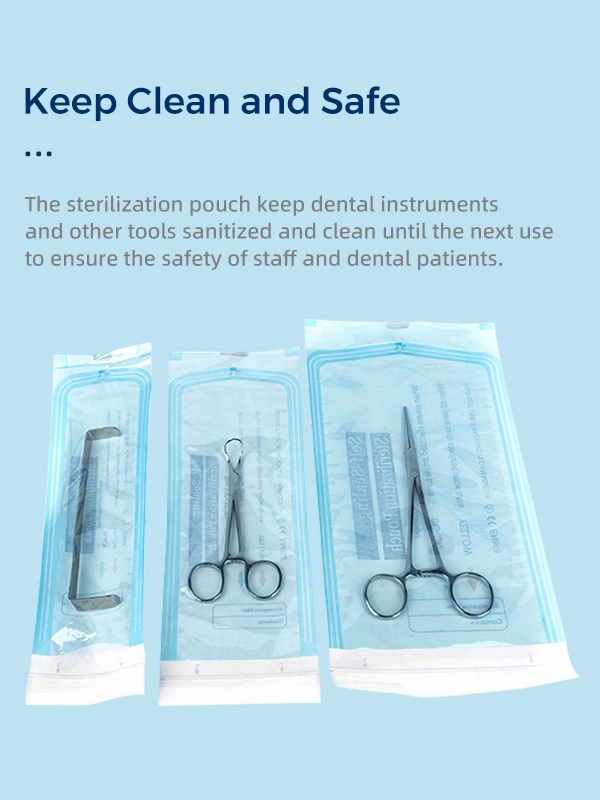
Why Are My Sterilization Pouches Melting in the Autoclave? (And How to Fix It)
Release time: 2026-05-21
Table of Contents
If you have ever opened an autoclave only to find your sterilization pouches fused, warped, or completely melted to the trays, you already know the frustration. A melted pouch compromise the sterility of your critical medical or dental instruments, it also creates a sticky, time-consuming mess inside the sterilization chamber. For medical facilities, laboratories, and procurement managers, consistent pouch failure is a serious operational bottleneck that impacts patient safety and bottom-line efficiency.
So, why does this happen? Autoclave bags are explicitly designed to withstand high heat and pressure, but they are not indestructible. When a pouch melts, it is almost always a symptom of a process error, mechanical calibration failure, or substandard packaging material.
In this comprehensive guide, we will diagnose the primary reasons sterilization pouches melt in the autoclave and provide actionable solutions to ensure your sterilization workflow remains flawless.
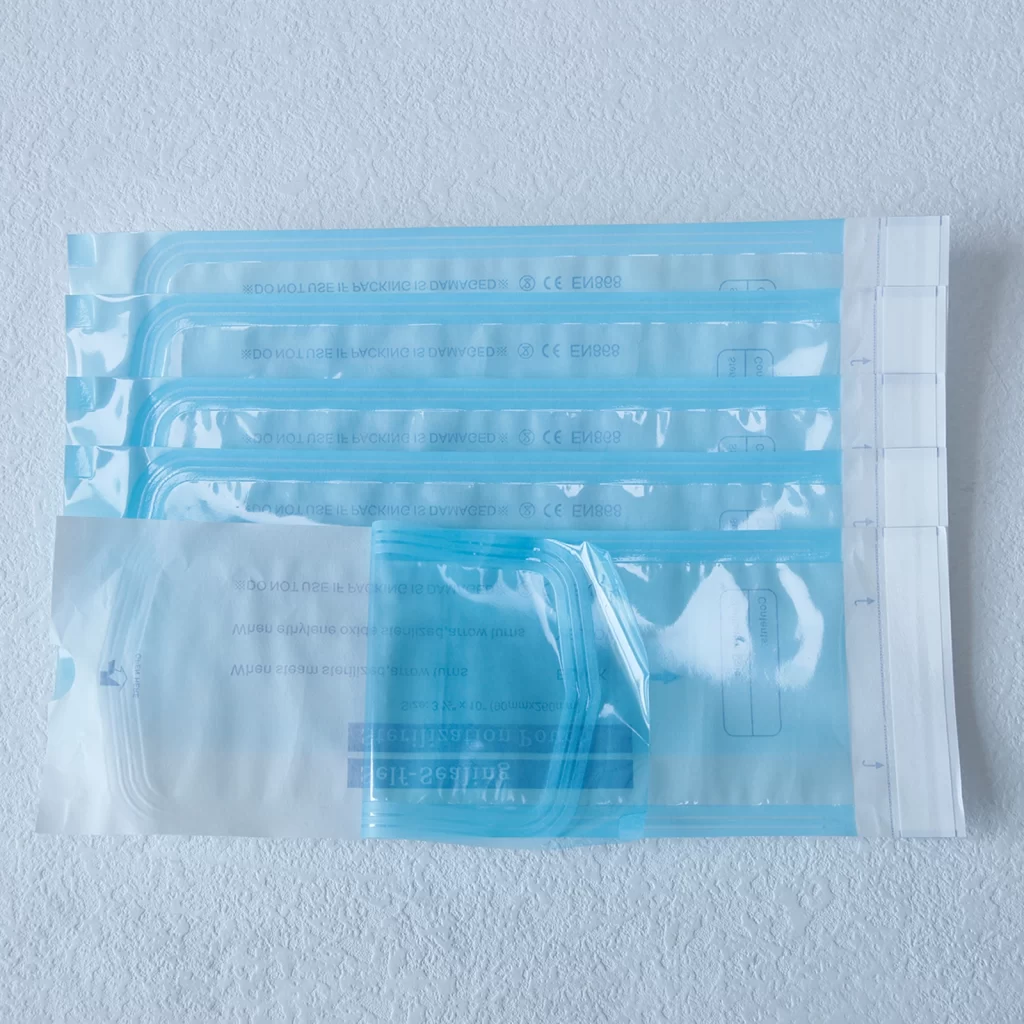
The Core Reasons for Sterilization Pouch Melting
To stop pouches from melting, we first need to identify the root cause. Here are the three most common culprits behind autoclave pouch failure.
1. Incorrect Temperature and Cycle Settings
The most frequent cause of melted pouches is human error or miscalibration regarding the autoclave’s temperature settings. Standard medical sterilization pouches, typically made from a combination of medical-grade paper and a transparent polymer film (like polypropylene/polyester laminates), are rated for specific temperature thresholds.
- Standard Steam Sterilization: Most steam autoclaves operate between 121°C (250°F) and 134°C (273°F). High-quality pouches are designed to endure these standard parameters.
- The Melting Point: The plastic film on standard pouches generally has a melting point slightly above 140°C. If an autoclave is improperly calibrated, or if a user accidentally selects a “dry heat” cycle (which can reach upwards of 160°C to 190°C), the plastic will immediately warp and melt onto the instruments and trays.
Always verify that the cycle selected matches the manufacturer’s guidelines for the pouch. Regularly calibrate your autoclave to ensure the digital readout matches the actual chamber temperature.
2. Direct Contact with Chamber Walls or Trays
Even if the ambient temperature inside the autoclave is correct, the metal surfaces inside the chamber can become significantly hotter than the steam itself.
When sterilization pouches are placed carelessly inside the autoclave, the plastic side of the pouch may come into direct, prolonged contact with the uninsulated metal walls of the chamber or the bottom of a solid metal tray. This creates a localized heat sink effect, causing the plastic to exceed its melting threshold even during a normal cycle.
Use proper sterilization racks that keep pouches upright and spaced apart. Ensure that pouches are placed paper-side down or plastic-side up if laid flat, and absolutely never let the plastic touch the sides of the autoclave interior.
3. Substandard Pouch Materials and Poor Adhesives
Not all sterilization packaging is created equal. In the procurement space, the market is unfortunately flooded with low-cost, low-quality alternatives that cut corners on raw materials.
If your temperature settings are correct and your loading technique is flawless, but your pouches are still melting, separating at the seams, or peeling apart, the issue lies with the manufacturer. Inferior pouches often use:
- Low-grade plastics that lack the necessary thermal stability.
- Weak adhesive seals that break down under standard steam pressure, causing the pouch to burst or warp.
- Improper lamination that separates during the vacuum phase of the cycle.
Source your packaging from a specialized, certified manufacturer. Premium sterilization pouches must use highly durable, medical-grade paper and multi-layer cast films that guarantee integrity under pressure.
Best Practices for Autoclave Loading and Pouch Care
Preventing melted pouches is an exercise in strict protocol. Implementing the following standard operating procedures (SOPs) will drastically reduce equipment failure and packaging waste.
- Do Not Overload the Chamber: Packing too many pouches into a single cycle prevents steam from circulating evenly. This can create “hot spots” in the chamber where temperatures spike, leading to melted plastic and failed sterilization indicators.
- Allow for Proper Drying Time: If pouches are removed while still wet, the structural integrity of the medical paper is compromised. Let the autoclave complete its full drying cycle before handling the pouches.
- Audit Your Inventory: Check the specifications of your current pouch inventory. Ensure they are explicitly rated for steam (autoclave) or ethylene oxide (EO) sterilization, and never use them in dry heat sterilizers unless specifically manufactured for that purpose (such as nylon bags).
Choosing the Right Partner for Sterilization Packaging
For bulk purchasers, dental supply distributors, and hospital procurement officers, the hidden costs of cheap sterilization pouches are high. Melted plastic requires extensive labor to clean out of expensive autoclave chambers and risks cross-contamination of delicate instruments.
Reliability starts at the source. Partnering with an established manufacturer ensures your supply chain is stocked with packaging that performs consistently under pressure.
At CleanDent, we engineer our sterilization pouches specifically to eliminate these common points of failure. Utilizing robust, multi-layer polymer films and high-tensile medical-grade paper, our packaging is rigorously tested to withstand strict steam and EO sterilization cycles without warping, bursting, or melting. Our advanced sealing technology ensures clean peels and complete microbial barriers, protecting both your instruments and your end-users.
Conclusion
A melting sterilization pouch is a clear signal that something in the sterilization ecosystem is out of balance. By auditing your autoclave cycle settings, refining your loading techniques to avoid direct metal contact, and—most importantly—upgrading to premium, heat-resistant packaging materials, you can eliminate this disruptive issue for good.
Don’t let inferior packaging slow down your operations or compromise safety. Invest in quality materials, stick to rigorous sterilization protocols, and ensure your facility operates with absolute confidence.