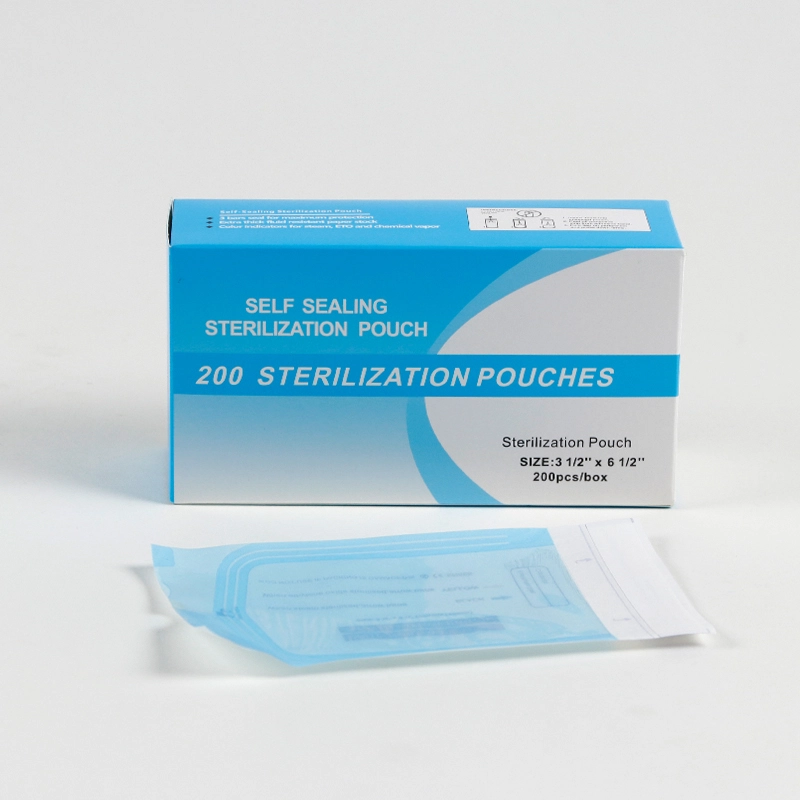
Sterilization Pouch Sizes and Selection Guide
Release time: 2026-07-01
Choosing the right sterilization pouch size is an important step in ensuring effective sterilization, safe storage, and convenient handling of medical instruments.
A sterilization pouch that is too small may damage instruments or affect sealing quality, while an oversized pouch can increase material waste and unnecessary costs.
For hospitals, dental clinics, laboratories, and medical device suppliers, selecting the correct sterilization pouch size requires considering instrument dimensions, sterilization methods, packaging materials, and storage requirements.
This guide explains common sterilization pouch sizes and how to select the best option for different applications.

What Are Sterilization Pouches?
Sterilization pouches are medical packaging products designed to protect instruments before, during, and after sterilization processes.
They usually consist of:
- Medical-grade paper
- Plastic film (PET/PE composite)
- Tyvek® material
- Indicator strips or chemical indicators
- Self-sealing adhesive or heat-sealing areas
Sterilization pouches allow sterilizing agents such as steam, ethylene oxide (EO), or radiation to penetrate the package while maintaining sterility after the process.
They are widely used for:
- Surgical instruments
- Dental tools
- Laboratory equipment
- Beauty and medical devices
- Veterinary instruments
Common Sterilization Pouch Sizes
Sterilization pouch sizes vary depending on instrument types and applications. There is no universal size suitable for all medical tools.
The most common sizes include:
| Pouch Size | Typical Application |
|---|---|
| 57 × 100 mm | Small dental instruments, small accessories |
| 70 × 260 mm | Dental tools, small surgical instruments |
| 90 × 260 mm | Dental handpieces, medium instruments |
| 135 × 280 mm | Scissors, forceps, medical tools |
| 190 × 330 mm | Surgical instrument sets |
| 250 × 380 mm | Larger medical equipment |
| 300 × 450 mm | Large surgical instruments and sets |
Manufacturers usually provide customized sizes according to customer requirements.
How to Choose the Right Sterilization Pouch Size?
1. Measure the Instrument Size First
The first step is measuring the length, width, and thickness of the instruments.
A suitable sterilization pouch should:
- Fully cover the instrument
- Provide enough space for sealing
- Avoid excessive movement inside the pouch
A general recommendation is to leave:
- Around 2–3 cm extra space on each side
- Enough sealing area at the opening
- Additional space for thicker instruments
For example:
A dental scaler measuring 18 cm long may require a pouch longer than 22 cm to ensure safe sealing.
2. Consider the Type of Medical Instrument
Different instruments require different pouch dimensions.
Dental Instruments
Dental clinics usually use smaller sterilization pouches.
Common sizes:
- 70 × 260 mm
- 90 × 260 mm
- 135 × 280 mm
Suitable for:
- Dental mirrors
- Dental probes
- Scalers
- Extraction instruments
Surgical Instruments
Hospitals often require larger sterilization pouches.
Common sizes:
- 190 × 330 mm
- 250 × 380 mm
- 300 × 450 mm
Suitable for:
- Surgical scissors
- Forceps
- Retractors
- Surgical instrument sets
Laboratory Equipment
Laboratories may require customized sterilization packaging.
Common requirements:
- Larger dimensions
- Strong sealing performance
- Higher barrier protection
Sterilization Pouch Materials and Size Selection
Size is important, but material selection is equally critical.
Kraft Paper Sterilization Pouches
Kraft paper sterilization pouches are widely used because they are:
- Cost-effective
- Easy to use
- Suitable for steam sterilization
Common applications:
- Dental clinics
- Hospitals
- Small medical facilities
Advantages:
- Affordable
- Lightweight
- Easy storage
Tyvek Sterilization Pouches
Tyvek pouches are premium sterilization packaging solutions.
They provide:
- Excellent microbial barrier protection
- High tear resistance
- Compatibility with multiple sterilization methods
Common applications:
- Medical devices
- Pharmaceutical products
- High-value instruments
Tyvek pouch sizes are often customized according to:
- Device dimensions
- Sterilization process
- Transportation requirements
Self Sealing vs Heat Sealing Sterilization Pouches
When selecting pouch sizes, the sealing method should also be considered.
Self Sealing Sterilization Pouches
Advantages:
- Easy operation
- No additional equipment needed
- Suitable for clinics
Best for:
- Dental offices
- Small medical facilities
Heat Sealing Sterilization Pouches
Advantages:
- Stronger sealing performance
- Suitable for large-scale medical facilities
- Better long-term storage
Best for:
- Hospitals
- Medical device manufacturers
- Central sterile supply departments
How Do Sterilization Pouch Sizes Affect Sterilization Performance?
Choosing the correct pouch size directly affects sterilization quality.
An incorrect size may cause:
Too Small
Problems:
- Instrument damage
- Poor steam penetration
- Seal failure
- Package tearing
Too Large
Problems:
- Increased packaging cost
- More storage space required
- Material waste
The ideal pouch allows enough room for sterilization agents to circulate while maintaining secure protection.
Sterilization Pouch Size Selection Checklist
Before purchasing sterilization pouches, buyers should consider:
Instrument Requirements
✔ Instrument length
✔ Instrument thickness
✔ Number of instruments per pouch
✔ Sharp edges or delicate parts
Sterilization Method
✔ Steam autoclave
✔ EO sterilization
✔ Plasma sterilization
✔ Gamma sterilization
Packaging Requirements
✔ Self sealing or heat sealing
✔ Paper or Tyvek material
✔ Indicator requirements
✔ Storage conditions
Supplier Capability
✔ Custom sizes available
✔ ISO certification
✔ Medical-grade materials
✔ OEM service capability
Custom Sterilization Pouch Sizes for Medical Applications
Many medical device manufacturers and distributors require customized sterilization pouches.
Custom options include:
- Custom dimensions
- Custom printing
- Different materials
- Special indicators
- Customized sealing solutions
A professional sterilization pouch manufacturer can help design packaging based on:
- Product dimensions
- Sterilization validation requirements
- Transportation conditions
- Regulatory standards
FAQ About Sterilization Pouch Sizes
What is the most common sterilization pouch size?
Common sizes include 90 × 260 mm, 135 × 280 mm, and 190 × 330 mm. The best size depends on the instrument type and application.
How much extra space should be left in a sterilization pouch?
Generally, instruments should have enough space for sealing and sterilization circulation. Leaving 2–3 cm around the instrument is commonly recommended.
Can sterilization pouches be customized?
Yes. Manufacturers can provide customized sizes, materials, printing, and sealing options for hospitals, distributors, and medical device companies.
Are Tyvek sterilization pouches better than paper pouches?
Tyvek pouches provide higher barrier protection and durability, while paper pouches are more economical. The best choice depends on application requirements and sterilization methods.
Conclusion
Selecting the correct sterilization pouch size is essential for maintaining instrument safety, sterilization effectiveness, and cost efficiency.
Medical facilities and distributors should evaluate instrument dimensions, sterilization methods, packaging materials, and storage requirements before purchasing.
Whether choosing kraft paper sterilization pouches, self sealing sterilization pouches, heat sealing pouches, or Tyvek sterilization pouches, working with a reliable manufacturer ensures consistent quality and compliance.
A professional sterilization pouch supplier can provide standard sizes as well as customized solutions for different medical applications.