What Is a Sterilization Roll and How Does It Work?
Release time: 2026-07-15
Sterilization packaging plays an essential role in protecting medical instruments before and after sterilization. Among different medical packaging solutions, sterilization rolls are widely used by hospitals, dental clinics, laboratories, and medical device manufacturers because they provide flexible, cost-effective, and customizable packaging solutions.
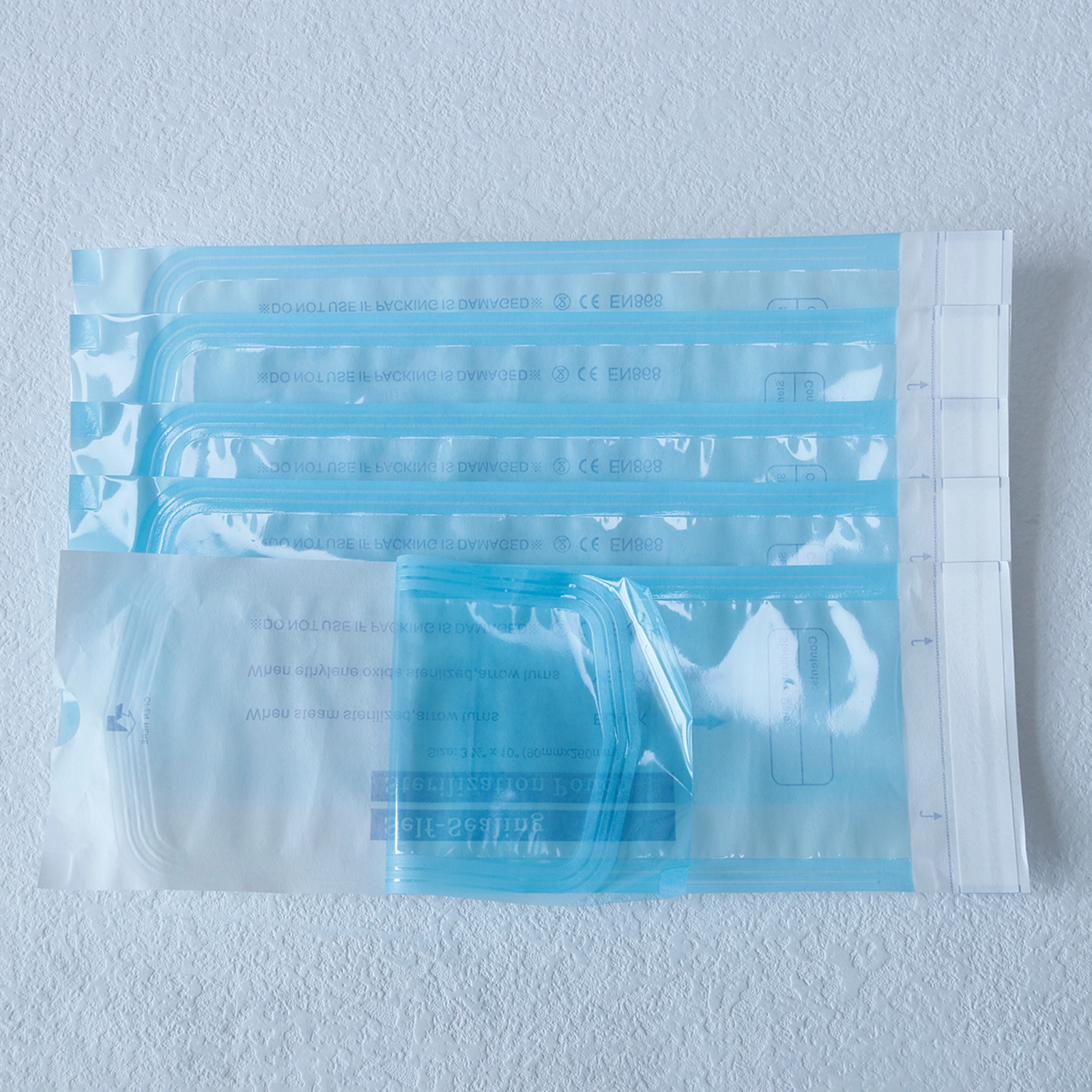
A sterilization roll, also known as a sterilization pouch roll or sterile barrier roll, is a continuous roll of medical-grade packaging material that can be cut into different lengths according to the size of instruments.
Unlike pre-made sterilization pouches with fixed dimensions, sterilization rolls allow healthcare facilities to create customized packages for various instruments, reducing material waste and improving packaging efficiency.
This guide explains what sterilization rolls are, how they work, their materials, applications, and how to choose the right type for your needs.
What Is a Sterilization Roll?
A sterilization roll is a flexible medical packaging material designed to package instruments before sterilization.
It usually consists of two layers:
- Medical-grade sterilization paper
- Transparent plastic film or Tyvek® material
The roll is supplied in continuous lengths and can be cut and sealed according to the required instrument size.
Common sterilization roll structures include:
Paper-Plastic Sterilization Roll
Made from:
- Medical kraft paper
- PET/PE composite film
Commonly used for:
- Steam sterilization
- Dental instruments
- Surgical tools
Tyvek Sterilization Roll
Made from:
- Tyvek® high-density polyethylene material
- Medical-grade plastic film
Commonly used for:
- Medical devices
- Pharmaceutical packaging
- Advanced sterilization applications
Tyvek rolls provide excellent:
- Tear resistance
- Microbial barrier protection
- Breathability
- Sterilization compatibility
How Does a Sterilization Roll Work?
The working principle of a sterilization roll is based on creating a sterile barrier system.
The process usually includes four steps:
Step 1: Cutting the Sterilization Roll
Healthcare workers cut the roll according to the size of the instrument.
For example:
A long surgical instrument may require a longer package, while small dental tools require shorter sections.
This flexibility allows users to avoid purchasing many different pouch sizes.
Step 2: Placing Instruments Inside
After cutting, the instrument is placed between the packaging layers.
The package should provide:
- Enough space for sterilization agent circulation
- Protection against damage
- Proper sealing area
Step 3: Heat Sealing the Package
Most sterilization rolls require a heat sealing machine.
The machine creates a strong seal that prevents contamination after sterilization.
The sealing process ensures:
- Package integrity
- Long-term sterile storage
- Protection from moisture and microorganisms
Step 4: Sterilization Process
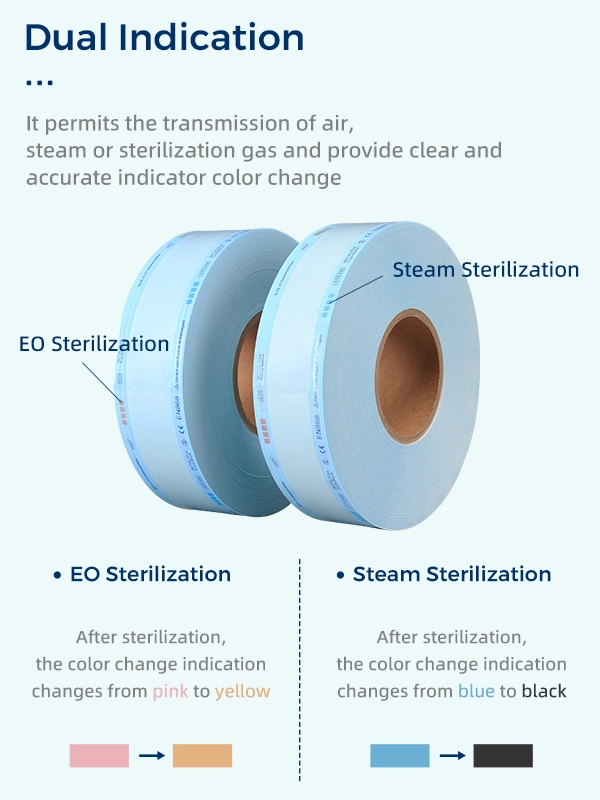
The sealed package goes through a sterilization process, such as:
Steam Sterilization (Autoclave)
Uses:
- High temperature
- Pressurized steam
Common for:
- Surgical instruments
- Dental instruments
Ethylene Oxide (EO) Sterilization
Uses:
- Ethylene oxide gas
Suitable for:
- Heat-sensitive medical devices
Plasma Sterilization
Uses:
- Low-temperature plasma technology
Suitable for:
- Sensitive instruments
During sterilization, the packaging material allows sterilizing agents to enter while maintaining protection after the process.
Why Are Sterilization Rolls Widely Used?
Sterilization rolls offer several advantages compared with fixed-size sterilization pouches.
1. Flexible Size Customization
One major advantage is that users can create packaging according to the exact instrument size.
Benefits include:
- Less material waste
- Lower packaging costs
- Better storage efficiency
For medical facilities with many different instruments, sterilization rolls are more practical than purchasing multiple pouch sizes.
2. Cost Efficiency
Pre-made sterilization pouches require different sizes for different instruments.
Sterilization rolls allow users to:
- Purchase one roll size
- Cut customized lengths
- Reduce inventory requirements
This makes them attractive for:
- Hospitals
- Dental chains
- Medical distributors
3. Better Instrument Protection
High-quality sterilization rolls provide:
- Strong sealing performance
- Protection against contamination
- Resistance to tearing and puncturing
This helps maintain instrument sterility until use.
Common Applications of Sterilization Rolls
Hospitals
Used for:
- Surgical instruments
- Operating room equipment
- Medical tool sets
Dental Clinics
Common applications include:
- Dental handpieces
- Dental mirrors
- Scalers
- Probes
Medical Device Manufacturers
Used for:
- Disposable medical devices
- Surgical components
- Implant accessories
Laboratories
Used for:
- Laboratory instruments
- Testing equipment
- Research tools
Sterilization Roll vs Sterilization Pouch: What’s the Difference?
Many buyers compare sterilization rolls and sterilization pouches before purchasing.
| Feature | Sterilization Roll | Sterilization Pouch |
|---|---|---|
| Size flexibility | High | Limited |
| Customization | Excellent | Moderate |
| Storage | Requires cutting equipment | Ready to use |
| Cost efficiency | Higher for various sizes | Better for standard sizes |
| Best application | Hospitals, manufacturers | Clinics, small facilities |
Choose Sterilization Rolls If:
✔ You have many instrument sizes
✔ You need customized packaging
✔ You want to reduce packaging inventory
Choose Sterilization Pouches If:
✔ You use standard instrument sizes
✔ You need quick packaging
✔ You have low-volume requirements
How to Choose the Right Sterilization Roll?
When purchasing sterilization rolls, consider the following factors:
1. Sterilization Method Compatibility
Check whether the roll supports:
- Steam sterilization
- EO sterilization
- Plasma sterilization
- Gamma sterilization
2. Material Quality
Important factors include:
- Medical-grade materials
- Barrier performance
- Tear resistance
- Seal strength
3. Roll Width and Length
Common widths include:
- 50 mm
- 75 mm
- 100 mm
- 150 mm
- 200 mm
- 250 mm
- 300 mm
- 400 mm
Custom sizes are also available from professional manufacturers.
4. Certification Requirements
Medical buyers should check:
- ISO 11607 compliance
- EN 868 standards
- Material safety testing
- Quality control procedures
How to Find a Reliable Sterilization Roll Supplier?
For hospitals, distributors, and medical companies, choosing the right supplier is critical.
A reliable sterilization roll manufacturer should provide:
Product Quality
- Medical-grade raw materials
- Stable production processes
- Strict quality inspection
Customization Service
Including:
- Custom sizes
- Custom printing
- OEM packaging solutions
Manufacturing Capability
Look for:
- Professional production facilities
- Export experience
- International certifications
Frequently Asked Questions About Sterilization Rolls
What is a sterilization roll used for?
A sterilization roll is used to package medical instruments before sterilization. It creates a sterile barrier that protects instruments during storage and transportation.
Can sterilization rolls be used in autoclaves?
Yes. Many sterilization rolls are designed for steam autoclave sterilization. Buyers should confirm product specifications before use.
What is the difference between a sterilization roll and a flat roll?
A sterilization roll is a continuous packaging material used to create individual sterile packages. A flat roll usually refers to the roll format itself and may include paper-plastic or Tyvek materials.
Are Tyvek sterilization rolls better than paper rolls?
Tyvek rolls provide higher durability and barrier protection, while paper-plastic rolls are more economical and widely used for standard sterilization applications.
Conclusion
A sterilization roll is an efficient medical packaging solution that provides flexibility, cost savings, and reliable sterile protection.
Compared with fixed-size sterilization pouches, sterilization rolls allow healthcare facilities and medical manufacturers to create customized packages for different instruments.
When choosing a sterilization roll supplier, buyers should evaluate material quality, sterilization compatibility, certification standards, and customization capabilities.
For hospitals, dental clinics, and medical device companies requiring reliable sterile barrier packaging, high-quality sterilization rolls are an essential part of safe medical operations.