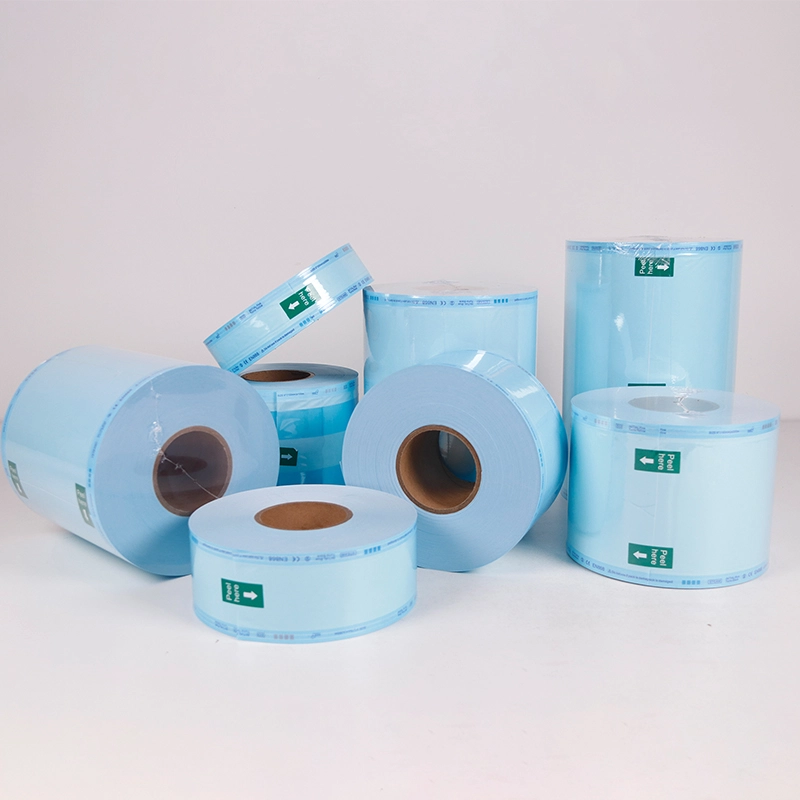
Steam vs. EO vs. Plasma: Which Sterilization Pouch Material Suits Your Method?
Release time: 2026-04-09
Table of Contents
In the highly regulated medical and industrial sectors, the efficacy of a sterilization cycle is only as reliable as the packaging that protects the instruments afterward. Selecting the wrong packaging material does not just risk a compromised cycle; it can lead to melted plastics, aborted machine cycles, and severe patient safety risks.
Understanding sterilization pouch compatibility is critical for procurement managers, CSSD (Central Sterile Services Department) technicians, and medical device manufacturers. The three most prevalent sterilization methods—Steam (Autoclave), Ethylene Oxide (EO), and Hydrogen Peroxide Plasma—operate under vastly different physical and chemical conditions. Consequently, they demand highly specific packaging materials.
In this comprehensive guide, we will break down the specific requirements of each sterilization process, focusing on critical material properties like pore size and temperature resistance, to help you make data-driven purchasing decisions.

1. Steam Sterilization (Autoclave): The High-Temperature Standard
Steam sterilization is the most widely used method in hospitals, dental clinics, and laboratories worldwide due to its speed, cost-effectiveness, and reliability. This process uses pressurized steam at extremely high temperatures—typically between 121°C and 134°C—to destroy microorganisms.
Material Requirements for Autoclave Pouches
Because steam must penetrate the packaging, sterilize the contents, and then evacuate, the material must be highly breathable while maintaining a strong microbial barrier.
Autoclave pouches are traditionally manufactured using a combination of medical-grade kraft paper and a transparent, heat-resistant laminated film (usually PET/CPP).
- Temperature Resistance: The pouch must withstand temperatures up to 135°C without the film melting, shrinking, or the seals bursting.
- Breathability (Pore Size): Medical-grade paper typically features a controlled pore size (around 45 to 60 GSM) that is large enough to allow steam vapor to pass through rapidly, but small enough to block bacteria post-sterilization.
- Warning: Synthetic materials like standard Tyvek® (made of high-density polyethylene) cannot be used in standard steam autoclaves, as their melting point is lower than the peak temperatures of the steam cycle.
2. EO Sterilization (Ethylene Oxide): The Low-Temperature Gas Solution
EO sterilization is the go-to method for heat-sensitive and moisture-sensitive medical devices, such as customized plastic components, electronic surgical tools, and delicate catheters. Ethylene oxide is a highly penetrating gas that operates at much lower temperatures (usually between 37°C and 63°C).
Material Requirements for EO Sterilization
The critical factor in EO sterilization is gas permeation and subsequent aeration (the removal of the toxic gas post-cycle).
- Breathability: The packaging material must allow the EO gas and humidity to easily enter the pouch and, crucially, allow the gas to dissipate entirely during the aeration phase.
- Material Compatibility: Both medical-grade paper and Tyvek® are highly compatible with EO sterilization. Because the process is low-temperature, the risk of melting films or degrading paper fibers is practically non-existent.
- Seal Integrity: The adhesive and seals must withstand the vacuum and pressure changes that occur during the EO cycle without compromising the sterile barrier.
3. Plasma Sterilization (Hydrogen Peroxide): The Advanced Synthetic Requirement
Hydrogen Peroxide (H2O2) Plasma sterilization is a rapid, low-temperature method increasingly used for advanced, heat-sensitive instruments like endoscopes and modern surgical robotics. It operates at low temperatures (around 45°C to 50°C) and relies on creating a highly reactive plasma cloud.
Material Requirements for Plasma Sterilization
This method has the strictest and most unforgiving material requirements of the three.
- The “No Cellulose” Rule: You cannot use standard medical-grade paper for plasma sterilization. Cellulose (paper) absorbs hydrogen peroxide. If paper pouches are placed in a plasma sterilizer, they will absorb the sterilant, causing the machine to abort the cycle due to low H2O2 concentration.
- The Tyvek® Mandate: Plasma sterilization requires synthetic, non-woven materials, almost exclusively Tyvek® (HDPE) combined with a compatible synthetic film (like PET/PE). Tyvek® does not absorb hydrogen peroxide, ensuring the sterilant reaches the instruments.
- Pore Size: Tyvek® offers an incredibly dense microbial barrier with very small pore sizes, yet it maintains high permeability to gases, making it the perfect—and only—choice for plasma systems.
The Ultimate Sterilization Packaging Comparison Table
To ensure your procurement team or clients choose the right materials, use this technical breakdown of how different methods interact with packaging variables.
| Sterilization Method | Primary Sterilant | Operating Temp | Ideal Pouch Material | Required Pore/Permeability Specs | Key Material Constraints |
| Steam (Autoclave) | Pressurized Steam | 121°C – 134°C | Medical-Grade Paper + PET/CPP Film | High breathability for rapid steam penetration/exhaust. | Cannot use Tyvek (melts at high autoclave temperatures). |
| Ethylene Oxide (EO) | EO Gas | 37°C – 63°C | Medical-Grade Paper OR Tyvek® | Must allow excellent gas penetration and rapid aeration. | Highly versatile; both paper and Tyvek perform exceptionally well. |
| Plasma (H2O2) | Hydrogen Peroxide | 45°C – 50°C | Tyvek® (HDPE) + PET/PE Film | High gas permeability; zero moisture absorption. | Cannot use Paper/Cellulose (absorbs sterilant, aborts cycle). |
Deep Dive: Why Pore Size and Temperature Resistance Matter
When evaluating sterilization pouch compatibility, buyers must look beyond the basic labels and understand the engineering behind the packaging.
- Engineering the Perfect Pore Size: The concept of the “tortuous path” is fundamental to sterile packaging. The pores in medical paper or Tyvek® are not straight holes; they are complex, microscopic mazes. They must be large enough for gas molecules (Steam, EO, or H2O2) to pass through, but complex enough that airborne bacteria (which are significantly larger than gas molecules) get trapped in the fibers and cannot reach the instrument.
- Thermal Stability and Seal Strength: It is not just the paper or film that must resist temperature; it is the adhesive. If an autoclave pouch uses an adhesive not rated for 134°C, the seal will peel apart during the cycle, rendering the sterilization useless. Similarly, the films used in plasma pouches must be engineered to resist chemical degradation from highly reactive free radicals.
Partnering with Clean Dental Instrument
Transitioning from a disorganized procurement strategy to a streamlined, safety-first operation requires partnering with a manufacturer that understands the nuances of infection control. At AnQing Clean Dental Instrument Technology Co., Ltd., we don’t just supply pouches; we provide engineered barrier solutions tailored to your exact equipment and regulatory requirements.
Whether your facility relies heavily on rapid steam autoclaves, or you are expanding your capabilities with advanced plasma sterilization units, Clean Dental Instrument offers precisely manufactured pouches—from heavy-duty medical paper options to specialized Tyvek® solutions.
Ensure your sterile processing is never compromised by inferior packaging. Evaluate your current inventory against the compatibility guidelines above, and ensure your team is equipped with the right barrier for the right cycle.
Frequently Asked Questions (FAQ)
Q: Can I use standard medical paper pouches for plasma sterilization?
A: No. Medical-grade paper contains cellulose, which absorbs the hydrogen peroxide sterilant used in plasma systems. This absorption prevents the sterilant from reaching the instruments and will cause the machine to abort the cycle. You must use synthetic pouches, such as Tyvek®, for plasma sterilization.
Q: What is the maximum temperature an autoclave pouch can withstand?
A: High-quality autoclave pouches, typically manufactured from medical-grade kraft paper and a PET/CPP laminated film, are engineered to withstand standard steam sterilization temperatures up to 135°C (275°F) without melting, shrinking, or losing seal integrity.
Q: Are Tyvek® pouches compatible with steam autoclaves?
A: No. Standard Tyvek® is manufactured from high-density polyethylene (HDPE). HDPE has a lower melting point than the peak temperatures reached during a standard steam autoclave cycle, meaning the material will melt. Tyvek® should be reserved exclusively for low-temperature methods like Ethylene Oxide (EO) and Plasma sterilization.
Q: Why is pore size important in sterilization packaging?
A: Pore size dictates breathability and the microbial barrier. The pores must be large enough to allow sterilizing agents (like steam or EO gas) to enter and exit the pouch freely, but structured in a complex “tortuous path” that is small enough to trap airborne bacteria and maintain sterility after the cycle is complete.