


How to Choose Kraft Paper Sterilization Bags for Medical and Dental Instruments?
Release time: 2026-10-08
Table of Contents
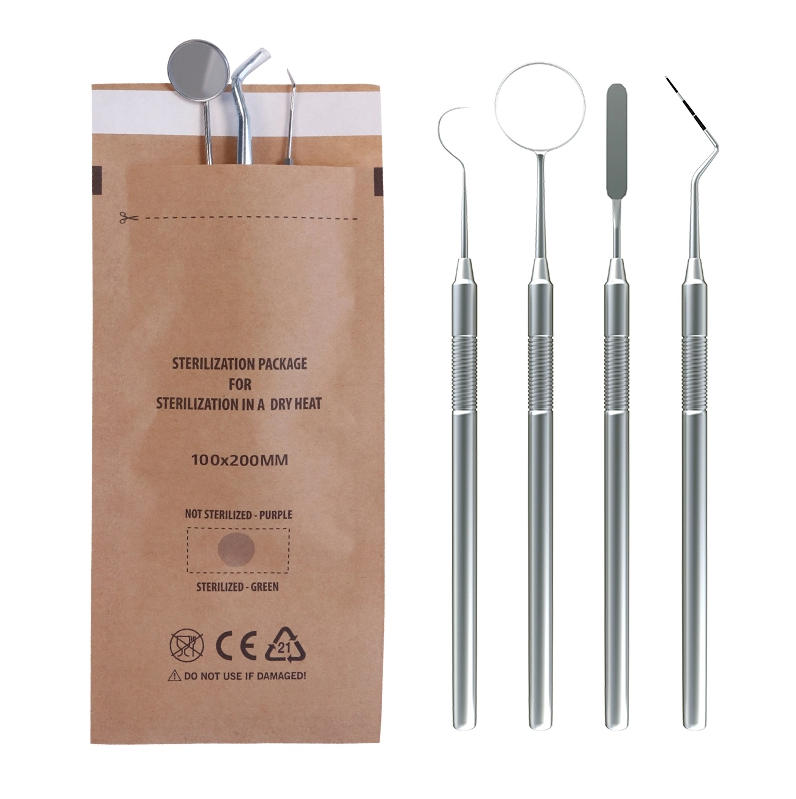
Choosing the right packaging for medical and dental instruments involves more than finding a bag that fits. The material must be suitable for the intended sterilization process, accommodate the instrument safely, and remain intact during handling and storage. For clinics, laboratories, and medical supply distributors, these details matter because packaging decisions affect everyday workflow as well as purchasing costs. Kraft paper sterilization bags may be worth considering when a facility needs paper-based packaging for compatible heat-stable instruments. However, not every paper bag is suitable for every sterilization method, and the product description alone should not replace a review of its technical specifications. Before placing a bulk order, buyers should understand the instrument requirements, confirm the intended application, and check the available sizes and closure design. A careful selection process can help prevent unsuitable purchases and make packaging supplies easier to manage over time.
Understand the Material Before Choosing a Sterilization Bag
Kraft paper is commonly used in packaging because it offers a practical paper-based format for a range of applications. In medical instrument packaging, however, the important question is whether the specific paper product has been designed and validated for the intended sterilization process. General-purpose kraft paper should not be treated as equivalent to a purpose-made sterilization packaging material.
When comparing products, buyers should look beyond the material name and ask about the paper grade, construction, intended use, and performance under the specified processing conditions. Packaging also needs to suit the way instruments are handled after the sterilization cycle. Tears, punctures, unsuitable closures, or incorrect storage can compromise package integrity, even when the initial material appears adequate.
Clean Dental lists a kraft paper sterilization bag intended for dry heat applications, with product information describing heat resistance and use with compatible instruments. The page also lists multiple available sizes. Buyers can use these details as a starting point, then request the relevant specifications and instructions before selecting a product for routine clinical use.
Match the Bag Size to the Instrument
Instrument dimensions are one of the first things to check when selecting packaging. A bag that is too small may make loading difficult or put unnecessary stress on the material, while an oversized bag can take up additional storage space and make inventory management less efficient. The goal is to choose a format that accommodates the instrument without forcing it into the package.
Measure the instrument’s length and width, paying attention to handles, projecting parts, and sharp edges. Forceps, scissors, probes, and other metal instruments can have different packaging needs even when their overall lengths are similar. Buyers should also consider whether instruments will be packaged individually or handled as part of a set, since this changes the space required.
The product page lists a size example of 100 × 200 mm, but buyers should confirm the complete size range and usable dimensions with the supplier. They should also ask whether the selected format is intended for the instrument type and sterilization process in question. Choosing by measurement rather than appearance helps reduce sizing errors, especially when ordering multiple cartons for a busy clinic or distribution business.
Check Sterilization Compatibility Carefully
One of the most important purchasing decisions is confirming which sterilization method the packaging supports. Dry heat and steam sterilization use different processing conditions, so a bag designed for one method should not automatically be assumed suitable for the other. Terms such as “autoclavable” should be interpreted in the context of the specific product instructions, not as universal compatibility with every autoclave cycle.
This is particularly important when reviewing product descriptions that mention more than one method. Clean Dental’s product page emphasizes dry heat sterilization but also refers to steam or air penetration in its description. Because these statements do not establish the full validated operating conditions, buyers should confirm the intended sterilization method, temperature range, exposure time, and any other restrictions directly with the supplier before use.
The same principle applies to the instruments themselves. The packaging must be compatible with the instrument manufacturer’s instructions and the facility’s validated procedures. Do not select a bag solely because its material appears heat-resistant. Request the product documentation and confirm that it covers the planned application. This simple check can help avoid ordering a packaging format that does not meet the clinic’s actual requirements.
Evaluate the Closure and Package Integrity
A suitable bag needs to accommodate the instrument and close according to its intended design. The closure should be appropriate for the product, easy for trained staff to use correctly, and consistent with the manufacturer’s instructions. Buyers should check whether the product uses an adhesive strip, a heat-sealing method, or another specified closure system rather than assuming that all paper bags work in the same way.
Package integrity also depends on how the bag is handled. Instruments with sharp tips or rough edges may damage unsuitable packaging, while excessive pressure during loading can create unnecessary stress. Staff should follow the recommended loading procedure and avoid overfilling the bag. Before processing, the package should be checked for visible damage and closed as instructed.
After sterilization, handling and storage remain important. Packages should be kept in conditions appropriate to the product and protected from damage, moisture, and unnecessary handling. If a package is torn, opened, wet, or otherwise compromised, staff should follow the facility’s procedures for assessing it rather than assuming the contents remain suitable for use. A well-chosen material is only one part of maintaining packaging integrity throughout the workflow.
Consider the Needs of Dental Clinics and Medical Buyers
For dental practices, packaging needs are often shaped by the range of instruments used each day, the sterilization equipment available, and the clinic’s established procedures. Buyers looking for sterilization bags for dental instruments should consider the instruments’ dimensions, material compatibility, and frequency of use before deciding which sizes to keep in stock.
A distributor or purchasing manager may have additional priorities, including consistent specifications, predictable supply, product documentation, and packaging quantities that match customer demand. It can be useful to standardize frequently used sizes while keeping less common formats available for specific instruments. This approach may simplify stock control without forcing every instrument into the same package.
Before purchasing, ask the supplier for the available sizes, material specifications, closure details, intended sterilization method, and any relevant instructions or compliance documents. If a sample is available, assess its dimensions and handling characteristics against the actual application. A sample review can help identify practical issues before a larger order is placed, although it does not replace formal compatibility documentation or required validation.
Compare Suppliers Before Ordering in Bulk
Price is an important consideration, but it should not be the only factor when comparing medical kraft paper bags. A lower unit price may offer little value if the size is unsuitable, the closure does not fit the workflow, or the documentation fails to establish compatibility with the intended process. Buyers should compare equivalent products using the same criteria.
Start by confirming the specifications and packaging quantity, then ask about sample availability, customization options, lead times, and the documents supplied with the product. If printed labels or other customized details are required, confirm the available options before approving an order. For repeat purchases, keeping a record of the selected product specification can also help ensure consistency between orders.
Clean Dental provides product information for its kraft paper sterilization bags and invites buyers to contact the company about their requirements. Before ordering, share the intended application, instrument dimensions, expected quantity, and sterilization method. This gives the supplier a clearer basis for confirming whether the product is appropriate. A well-informed purchasing decision starts with verified specifications rather than assumptions based on the product title.
FAQ
Are kraft paper sterilization bags suitable for all medical instruments?
No. Suitability depends on the specific bag, the instrument, and the intended sterilization process. Always check the product instructions and instrument manufacturer’s requirements.
Can kraft paper bags be used for both dry heat and steam sterilization?
Not automatically. Compatibility must be confirmed for the specific product and processing conditions. Ask the supplier for documentation covering the intended method before use.
What size should I choose for dental instruments?
Measure the instrument’s length, width, and any projecting parts, then compare those measurements with the supplier’s available sizes and loading instructions. Avoid forcing instruments into undersized packaging.
What should buyers check before ordering kraft paper sterilization bags in bulk?
Confirm the material specifications, size range, closure design, intended sterilization method, product documentation, packaging quantity, and sample availability. These checks help determine whether the product meets the facility’s requirements.

