


How Do Waterproof Dental Bibs Protect Patients During Dental Procedures?
Release time: 2026-11-21
Table of Contents
Dental procedures often involve more moisture than patients expect. Saliva, water from dental instruments, rinsing solutions, and other liquids can easily reach a patient’s clothing during routine examinations or treatment. Even when a procedure is relatively simple, keeping the patient dry and comfortable is an important part of maintaining a clean clinical environment. This is where waterproof dental bibs play a practical role. They provide a protective layer between the patient and the liquids generated during dental care, helping reduce the risk of clothing getting wet.
For dental clinics, patient protection is not just about the treatment itself. Small details, such as placing a fresh bib before a procedure, can make the experience more comfortable and professional. A well-designed dental bib combines absorbency with liquid resistance, allowing dental staff to manage everyday moisture more conveniently. Understanding how these products work can help clinics choose suitable supplies for different procedures and patient needs.
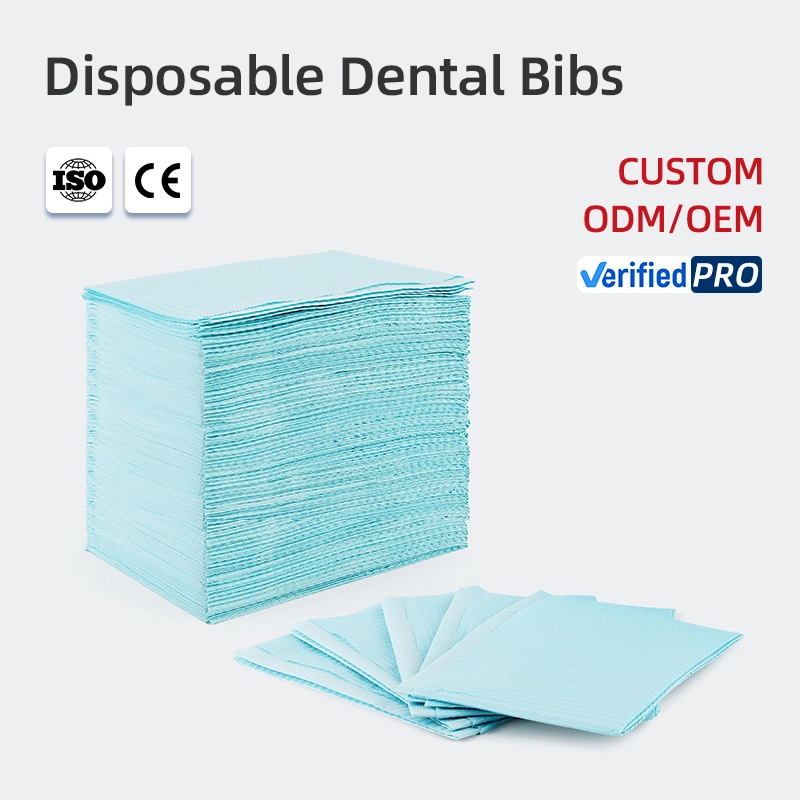
Why Is Patient Protection Important During Dental Procedures?
During a dental appointment, patients may be exposed to saliva, water spray, rinsing liquids, and small amounts of treatment-related residue. These are common parts of procedures such as dental cleaning, cavity treatment, polishing, and routine oral examinations. Without suitable protection, liquids can spread across clothing or collect around the patient’s neck and chest, creating unnecessary discomfort.
A dental bib provides a simple barrier that helps keep the treatment area more manageable. It is usually placed over the patient’s upper body before treatment begins, covering the clothing most likely to come into contact with moisture. This is particularly useful for procedures involving frequent rinsing or water-based instruments. Although a bib does not replace other infection prevention measures, it supports a cleaner workflow and helps patients feel more at ease.
Patient comfort also affects the overall impression of a dental clinic. Providing a clean, appropriately sized bib shows attention to basic treatment details. For clinics that see many patients throughout the day, using disposable protective products can make preparation between appointments more straightforward.
How Do Waterproof Dental Bibs Provide Liquid Protection?
The protective performance of a dental bib largely depends on its material structure. Many disposable designs use multiple layers to combine liquid absorption with resistance to penetration. The upper layer is designed to absorb moisture, while the backing layer helps prevent liquids from passing through to the patient’s clothing. These functions work together rather than relying on a single material to provide complete protection.
In a typical composite design, the absorbent layer may contain paper pulp or other absorbent materials. It takes in saliva and small amounts of liquid, helping reduce surface pooling during treatment. Beneath it, a polyethylene film acts as a water-resistant barrier. This is why PE backed dental bibs are commonly used in dental settings where moisture protection is important. The PE layer helps limit liquid penetration, while the absorbent surface manages moisture on the side facing the patient.
However, actual performance can vary depending on material quality, layer construction, and product specifications. Clinics should consider both absorbency and backing integrity rather than judging a bib by appearance alone. A suitable combination helps provide practical protection without making the product unnecessarily bulky.
What Makes Disposable Dental Bibs Suitable for Daily Clinical Use?
Dental clinics need supplies that are easy to prepare, use, and replace. Disposable dental bibs fit naturally into this routine because a fresh bib can be provided for each patient. After treatment, the used product can be removed and handled according to the clinic’s waste management procedures. This avoids the need to collect, wash, dry, and store reusable fabric coverings.
Another advantage is the convenience of stock management. Disposable bibs are commonly supplied in packs, making it easier for clinics to estimate daily consumption and maintain an appropriate inventory. Staff can place a new bib before each appointment without adding a complicated preparation step. This is especially helpful in busy practices where patient turnover is frequent.
It is important to remember that disposable bibs are only one part of a broader infection prevention routine. They should be changed between patients and used alongside appropriate hand hygiene, instrument reprocessing, surface cleaning, and other established clinical procedures. A disposable design helps simplify patient covering, but it should not be treated as a substitute for proper sterilization or environmental disinfection.
Which Dental Procedures Benefit from Waterproof Patient Bibs?
Water-resistant patient coverings are useful across many everyday dental procedures. During routine examinations, a bib helps protect clothing from saliva and small amounts of water used during the appointment. For professional cleaning and scaling, it can be particularly practical because rinsing and water spray may occur repeatedly. The absorbent surface helps manage moisture, while the backing layer reduces the chance of it reaching the patient’s clothes.
They are also suitable for restorative procedures such as fillings, where water, saliva, and other liquids may be present during treatment. In pediatric dentistry, a properly sized bib can help keep younger patients comfortable and reduce the need to clean or change clothing after an appointment. Other oral care services may also benefit from having a clean protective covering ready before treatment starts.
The exact level of protection needed depends on the procedure and the clinic’s workflow. Dental professionals should select a bib with suitable dimensions, absorbency, and liquid resistance for the intended application. A product that works well for a short examination may not necessarily offer the same convenience during a longer procedure involving more moisture.
What Should Dental Clinics Consider When Choosing Dental Bibs?
Choosing dental bibs involves more than comparing pack prices. Clinics should first consider the balance between absorbency and waterproof performance. An absorbent surface helps manage liquid on the upper side, while a reliable backing layer helps protect clothing underneath. Both features matter in daily use, particularly when procedures involve frequent rinsing or water spray.
Size is another practical consideration. The bib should provide enough coverage across the patient’s chest and upper body without interfering with the dental team’s work. Material softness also matters because the product rests directly against or close to the patient’s skin. A comfortable texture can make the covering feel less intrusive during longer appointments.
The fastening method should be easy to use and should help keep the bib in place. Some products use adhesive tabs or pressure-sensitive stickers, allowing staff to secure the bib without additional accessories. Clinics purchasing in larger quantities may also want to review packaging specifications, available colors, product consistency, and supplier communication.
| Selection factor | What clinics should check |
|---|---|
| Absorbency | Ability to take in saliva and small amounts of liquid |
| Waterproof backing | PE layer and resistance to liquid penetration |
| Size | Coverage appropriate for different patients and procedures |
| Softness | Comfortable contact during treatment |
| Fastening | Convenient placement and stable positioning |
| Packaging | Pack quantity and suitability for daily consumption |
How Does CleanDental Support Everyday Dental Patient Protection?
For clinics looking for practical patient protection supplies, CleanDental offers disposable dental bibs designed with a layered material structure. The product combines nonwoven fabric, absorbent paper pulp, and a PE waterproof film. This construction brings together an absorbent upper surface and a backing layer intended to reduce liquid penetration, making it suitable for everyday dental care applications.
The product is designed for routine use in dental settings where patients need protection from moisture during examinations and treatment. Its listed specifications include a size of approximately 33 × 45 cm, color options such as blue and white, and a pressure-sensitive adhesive tab for convenient placement. These details allow clinics to consider both coverage and ease of use when evaluating their daily consumables.
CleanDental focuses on medical and dental packaging and disposable products, serving customers who need supplies for professional healthcare environments. When selecting a regular supplier, dental practices and distributors should confirm the required specifications, packaging quantity, and product details before placing an order. For clinics purchasing in bulk, consistent product information and clear communication are also important parts of a reliable supply process.
FAQ
Are waterproof dental bibs better than regular dental bibs?
The main difference is the backing layer. Waterproof designs typically include a water-resistant film that helps reduce liquid penetration, while the absorbent surface manages moisture. The appropriate choice depends on the amount of liquid involved in the procedure and the clinic’s protection requirements.
What is the purpose of the PE layer in dental bibs?
The polyethylene (PE) layer acts as a liquid-resistant backing. It helps prevent moisture absorbed by the upper layer from passing through to the patient’s clothing. Its performance depends on the film quality and the overall construction of the bib.
Can disposable dental bibs be used for every dental procedure?
They are suitable for many routine dental applications, including examinations, cleaning, and restorative treatments. However, clinics should assess the coverage and protection needed for each procedure and follow their own infection prevention protocols.
How often should dental patient bibs be changed?
A fresh bib should generally be provided for each patient. Used bibs should not be reused and should be discarded according to the clinic’s waste handling procedures.

