Как стоматологические клиники могут сократить количество ошибок при ежедневном контроле стерилизации?
Release time: 2026-11-02
Оглавление
In a busy dental clinic, sterilization involves more than running instruments through an autoclave. Staff also need to review cycle information, check monitoring results, maintain accurate records, and make sure the right supplies are available. When several people share these responsibilities, small mistakes can easily slip into the daily workflow. A missed record, an incorrectly interpreted indicator, or an unclear handover can make it harder to confirm that the required procedures were followed.
Effective dental sterilization monitoring starts with a consistent process that everyone understands. Instead of relying on memory or allowing each employee to follow a different routine, clinics can establish clear steps for monitoring, documentation, and follow-up. These measures help make daily work more organized and support the clinic’s infection prevention program. The goal is not simply to complete each sterilization cycle, but to ensure that the required checks are performed, results are reviewed, and unexpected findings are handled according to established procedures.
Establish a Consistent Sterilization Monitoring Process
One common source of errors is inconsistency. When staff members follow slightly different routines, important steps may be overlooked, particularly during busy periods. A documented sterilization monitoring process gives the team a shared reference for preparing loads, checking the sterilizer, reviewing monitoring results, and completing records.
The procedure should clearly identify who is responsible for each task. For example, the person operating the sterilizer may record the cycle information, while a designated team member reviews the documentation according to the clinic’s workflow. Staff should also know what to do when a cycle does not meet the required criteria or a monitoring result appears unexpected. These responsibilities should align with the sterilizer manufacturer’s instructions, applicable regulations, and the clinic’s infection prevention policies.
Regular training matters just as much as written procedures. New employees need to understand the workflow before performing tasks independently, while experienced staff can benefit from periodic refreshers. A short, consistent routine is often easier to follow than a complicated checklist that people rarely consult.
Keep Autoclave Monitoring Records Accurate and Complete
Recordkeeping can become a weak point when staff are focused on preparing instruments for the next patient. Cycle details may be entered late, fields may be left blank, or information may be difficult to match with the correct load. These issues can make it harder to review what happened if a monitoring concern arises.
Reliable autoclave monitoring records should follow the clinic’s established documentation requirements. Depending on the facility’s procedures and applicable rules, records may include the date, sterilizer identification, cycle information, monitoring results, operator identification, and any required follow-up actions. The exact fields should be defined by the clinic rather than assumed to be identical for every setting.
Completing records promptly helps reduce reliance on memory. Staff should review entries before moving on, use consistent terminology, and correct mistakes according to the clinic’s documentation policy. Whether records are paper-based or digital, the objective is the same: make the information readable, traceable, and available when it needs to be reviewed. Assigning responsibility for reviewing records can also help prevent missing information from going unnoticed.
Use the Right Sterilization Indicators for the Task
Chemical indicators are useful tools in a sterilization monitoring program, but staff need to understand what each product is designed to indicate. Different indicator classes serve different purposes, and their results should be interpreted according to the manufacturer’s instructions. Choosing a product simply because it is labeled as a sterilization indicator can lead to confusion if it is not appropriate for the intended application.
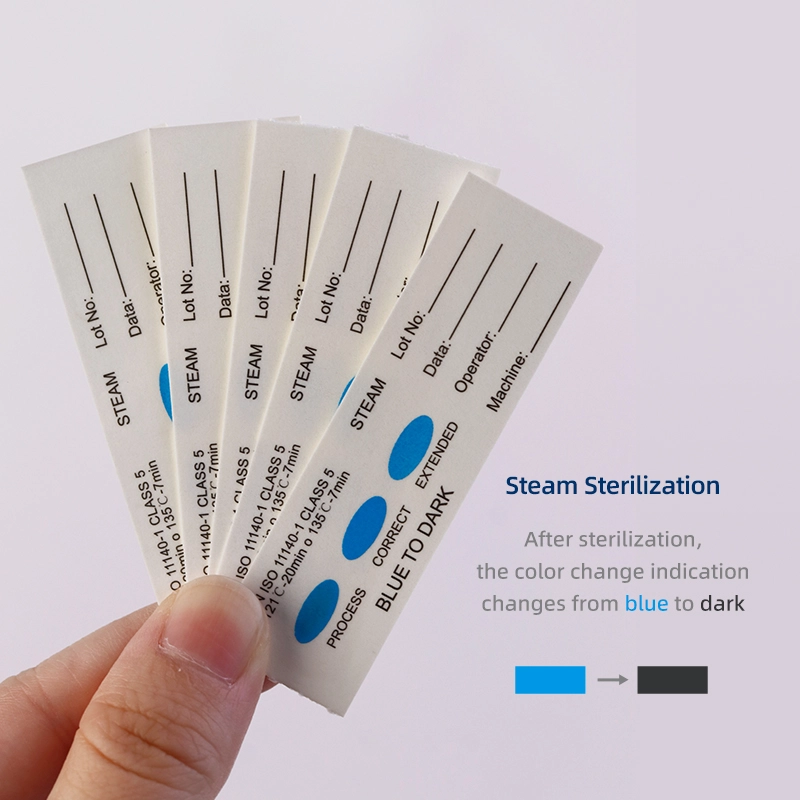
Class 5 sterilization indicator cards are designed for monitoring specified critical variables of steam sterilization. When used as directed, they provide a chemical indication of whether the conditions monitored by the indicator have reached their stated acceptance criteria. Staff should follow the product instructions for placement, interpretation, and documentation rather than relying on memory or assumptions about color changes.
Clinics should also check product compatibility before purchasing or using an indicator. The intended sterilization method, applicable cycle requirements, and manufacturer’s instructions all matter. If the result is unclear or does not meet the specified criteria, staff should follow the clinic’s established procedure for investigating the issue. A chemical indicator is one part of a wider monitoring program; it does not independently prove that an instrument is sterile or replace required biological monitoring and physical cycle checks.
Review Indicator Results Carefully and Consistently
A monitoring result should never be treated as a routine formality. One avoidable mistake is assuming that any visible color change means the sterilization process has met every requirement. In reality, staff need to compare the indicator with the product’s stated interpretation criteria and consider the result within the broader sterilization workflow.
Using steam sterilization indicator cards consistently can help standardize the chemical monitoring step, provided the selected product is suitable for the intended application. Staff should know where the indicator needs to be placed, how the result should be read, and how it should be recorded. They should not guess at an ambiguous result or apply a color reference from another manufacturer’s product.
Communication is equally important. If one employee notices an unexpected result but does not notify the person responsible for reviewing the load, the issue may not receive timely attention. Clinics can reduce this risk by defining escalation steps and making sure staff know whom to contact. The procedure should explain how to identify the affected cycle, document the concern, and determine the appropriate next step under the clinic’s policies. Instruments should not be released simply because a cycle has finished if required checks have not been satisfactorily completed.
Manage Sterilization Supplies Before They Run Out
Supply management may seem separate from monitoring, but it can affect how consistently the clinic follows its procedures. If indicator cards are unavailable, staff may face delays or be tempted to make unsuitable substitutions. Confusing product labels, mixed inventory, or unclear storage arrangements can also increase the chance of using the wrong item.
A simple inventory routine can help. Assign responsibility for checking stock, establish a reorder point based on actual usage, and keep product packaging and instructions accessible. Staff should check product identification, expiry information where applicable, and storage requirements before use. The clinic should also maintain a clear distinction between different indicator types so that products intended for different purposes are not mixed up.
При выборе Class 5 chemical indicators, buyers should review the product specifications, intended use, packaging quantity, and relevant instructions. Clean Dental lists a Class 5 sterilization indicator card product in a 100-pack format. Clinics considering this option can review the product information and confirm that it matches their monitoring procedures before ordering. The most useful purchasing decision is one that supports consistent daily practice, not simply the one that offers the largest quantity.
Turn Monitoring Problems Into Process Improvements
Even a well-organized clinic may occasionally encounter missing records, unclear results, or procedural misunderstandings. The important thing is to handle these issues consistently and learn from recurring problems. If the same type of error appears repeatedly, the team should look at the process rather than automatically blaming the person who made the mistake.
For example, repeated missing entries may indicate that the record form is difficult to complete or that responsibilities are unclear. Confusion about indicator results may point to a need for better training or more accessible product instructions. Frequent supply shortages may suggest that inventory checks are not scheduled or that reorder levels need adjusting.
Brief team reviews can help identify these patterns without adding unnecessary administrative work. Clinics can review documentation quality, recurring monitoring concerns, and supply availability at appropriate intervals. Any corrective action should be recorded according to the facility’s policies, and procedures should be updated when necessary. By making small, practical improvements over time, dental teams can build a more reliable workflow and reduce preventable errors.
Часто задаваемые вопросы
Why is daily sterilization monitoring important in dental clinics?
It helps staff check that required sterilization procedures have been followed, identify unexpected results, and maintain records that support the clinic’s infection prevention program.
What do Class 5 sterilization indicator cards show?
They provide a chemical response to specified critical variables of a steam sterilization cycle. Results must be interpreted according to the product instructions and used alongside the other monitoring measures required by the clinic.
Can a chemical indicator replace biological monitoring?
No. Chemical indicators do not independently establish sterility and should not replace required biological monitoring, physical cycle checks, or other procedures specified by applicable guidance and clinic policy.
What should clinics consider when purchasing sterilization indicator cards?
Check the intended application, compatibility with the sterilization process, manufacturer’s instructions, packaging quantity, and storage requirements. Staff should also be trained to use and interpret the selected product correctly.