How to Choose the Right Medical Sterilization Pouch: A Comprehensive Buyer’s Guide
Release time: 2026-02-04
Table of Contents
In the medical device and healthcare industry, selecting sterilization pouches is not just about packaging — it directly impacts sterility assurance, patient safety, regulatory compliance, and product shelf life. Whether you are a medical device manufacturer, hospital procurement manager, or sterilization service provider, choosing the correct medical packaging types is essential.
This comprehensive guide explains the differences between Paper-Plastic pouches, All-Plastic pouches, and Tyvek pouches, and shows you how to choose the right one based on sterilization methods such as steam, ethylene oxide (EO), and plasma sterilization.
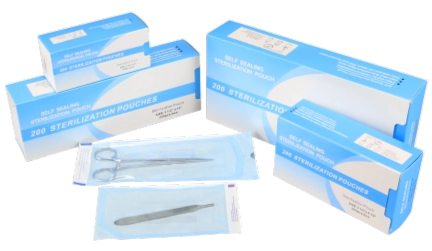
Why Selecting the Right Sterilization Pouch Matters
A sterilization pouch must:
- Maintain sterility after processing
- Allow effective sterilant penetration
- Provide microbial barrier protection
- Ensure easy aseptic opening
- Meet regulatory standards (ISO 11607, EN 868, FDA requirements)
Choosing the wrong pouch can lead to seal failure, wet packs, material degradation, or compromised sterility — all of which create financial and compliance risks.
Not sure which packaging suits your device? Contact us.
Understanding the Main Medical Packaging Types
Let’s break down the three most common medical sterilization pouch materials.
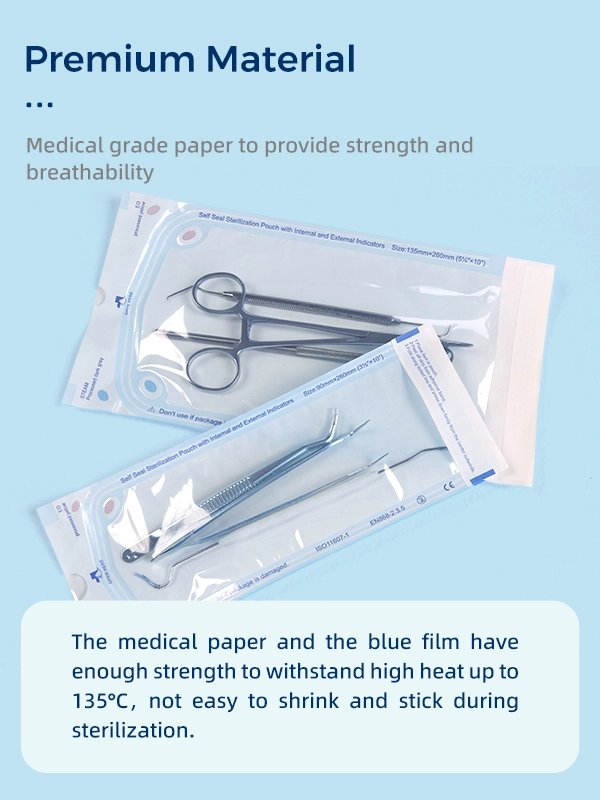
1. Paper-Plastic Sterilization Pouches
Structure:
Medical-grade paper + transparent medical film (usually PET/CPP)
Key Advantages
- Excellent breathability
- Cost-effective
- Easy visual inspection
- Widely used in hospitals and clinics
- Compatible with multiple sterilization methods
Best Applications
- Surgical instruments
- Dental tools
- Light medical devices
- Hospital CSSD departments
Limitations
- Lower puncture resistance compared to Tyvek
- Not ideal for heavy or sharp devices
- Limited performance in plasma sterilization
Suitable Sterilization Methods
- Steam sterilization
- Ethylene oxide (EO) sterilization
Paper-plastic pouches are the most common option when selecting sterilization pouches for routine hospital use.
2. All-Plastic Sterilization Pouches
Structure:
Transparent multilayer medical films on both sides
Key Advantages
- High transparency
- Strong mechanical strength
- Good moisture resistance
- Cleaner fiber-free opening
Best Applications
- Devices requiring clear product visibility
- Industrial medical device packaging
- Cleanroom environments
Limitations
- Less breathable than paper
- May not be ideal for all sterilization gases
- Higher cost than paper-plastic
Suitable Sterilization Methods
- EO sterilization
- Some low-temperature sterilization processes
All-plastic pouches are often selected in industrial settings where strength and presentation matter more than breathability.
3. Tyvek Sterilization Pouches
Material: DuPont Tyvek® (High-density polyethylene spunbond material)
Tyvek is a premium sterile barrier material known for its superior microbial barrier and mechanical strength.
Key Advantages
- Excellent microbial barrier
- High puncture and tear resistance
- Low lint generation
- Ideal for demanding sterilization conditions
- Superior performance in low-temperature sterilization
Best Applications
- High-value medical devices
- Implantable products
- Sharp instruments
- Complex surgical kits
Suitable Sterilization Methods
- Ethylene oxide (EO)
- Hydrogen peroxide plasma
- Vaporized hydrogen peroxide (VHP)
Limitations
- Higher material cost
- Typically unnecessary for basic hospital tools
When selecting sterilization pouches for advanced medical devices, Tyvek is often the safest long-term investment.
Choosing Based on Sterilization Method
One of the biggest mistakes buyers make is selecting packaging before confirming the sterilization process.
Here’s how different sterilization methods affect medical packaging types.
1. Steam Sterilization (Autoclave)
Temperature: 121–134°C
Moisture-based process
Recommended:
- Paper-Plastic pouches
Why?
Medical-grade paper allows steam penetration and moisture evaporation. Tyvek is generally not recommended for high-temperature steam because it can deform.
2. Ethylene Oxide (EO) Sterilization
Low-temperature gas process
Recommended:
- Paper-Plastic
- All-Plastic
- Tyvek
EO gas requires breathable material for penetration and aeration. Both paper and Tyvek perform well here.
If long shelf life and stronger barrier protection are required, Tyvek is preferred.
3. Hydrogen Peroxide Plasma Sterilization
Low-temperature, moisture-free process
Recommended:
- Tyvek pouches
Why?
Plasma sterilization requires non-cellulose materials. Paper-based packaging can absorb hydrogen peroxide and interfere with sterilization efficiency. Tyvek’s synthetic structure makes it ideal.
Other Key Factors to Consider
Beyond material and sterilization compatibility, consider the following:
1. Device Weight and Shape
Sharp or heavy instruments require higher puncture resistance → choose Tyvek.
2. Seal Strength
Ensure validated heat-seal performance that meets ISO 11607.
3. Peelability
A clean peel reduces contamination risk in operating rooms.
4. Regulatory Compliance
Make sure suppliers provide:
- Material validation reports
- Biocompatibility data
- Sterilization compatibility testing
- Lot traceability
5. Shelf Life Requirements
If long-term sterile storage is required, Tyvek offers superior durability.
Cost vs. Risk: A Strategic Approach
While paper-plastic pouches are cost-effective, the lowest upfront price does not always mean lowest total cost.
For example:
- If your device is exported globally
- If it undergoes plasma sterilization
- If it requires extended sterile shelf life
Tyvek may reduce long-term risk and compliance costs.
Selecting sterilization pouches should be viewed as a risk management decision, not just a procurement decision.
Common Buyer Mistakes
- Choosing packaging before confirming sterilization method
- Ignoring compatibility testing
- Overpaying for Tyvek when not required
- Underestimating puncture resistance needs
- Working with non-certified suppliers
Avoiding these mistakes ensures sterility assurance and regulatory compliance.

Final Thoughts
Selecting sterilization pouches is a technical decision that directly impacts sterility performance, regulatory approval, and product safety.
To summarize:
- Paper-Plastic pouches → Ideal for steam and routine hospital use
- All-Plastic pouches → Suitable for EO and industrial packaging needs
- Tyvek pouches → Best for EO and plasma sterilization, high-risk devices
By understanding sterilization compatibility and device requirements, buyers can confidently choose the most appropriate medical packaging types for their applications.
If you are evaluating suppliers, always request technical documentation, sterilization validation support, and compliance certificates before making a bulk purchase.
FAQ
Q1: Can paper-plastic pouches be used for plasma sterilization?
No. Paper is cellulose-based and may interfere with hydrogen peroxide plasma sterilization.
Q2: Why is Tyvek more expensive?
Tyvek provides superior microbial barrier and mechanical strength, making it suitable for high-risk or implantable devices.
Q3: Is all-plastic packaging suitable for steam sterilization?
Generally not recommended due to limited breathability and heat resistance.
Q4: How do I validate pouch compatibility?
Work with suppliers who provide sterilization validation data according to ISO 11607 standards.
By carefully evaluating sterilization method, device characteristics, regulatory requirements, and budget considerations, you can optimize both safety and cost when selecting sterilization pouches.