


Bolsas de esterilización de papel y plástico: aplicaciones y beneficios
Release time: 2026-02-24
Tabla de contenido
In the world of medical device packaging, selecting the right sterile barrier system is critical to ensuring patient safety, regulatory compliance, and product integrity. Among the various medical packaging solutions available, the paper plastic sterilization pouch remains one of the most widely used and cost-effective options in hospitals, clinics, and medical device manufacturing facilities worldwide.
This article explores the applications, benefits, material structure, sterilization compatibility, and key buying considerations for paper-plastic sterilization pouches — helping procurement managers and medical device manufacturers make informed decisions.
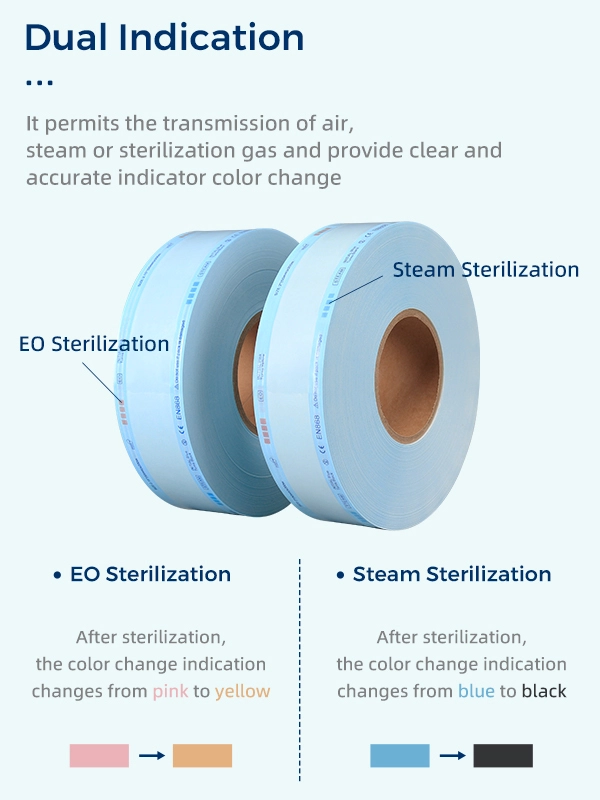
What Is a Paper Plastic Sterilization Pouch?
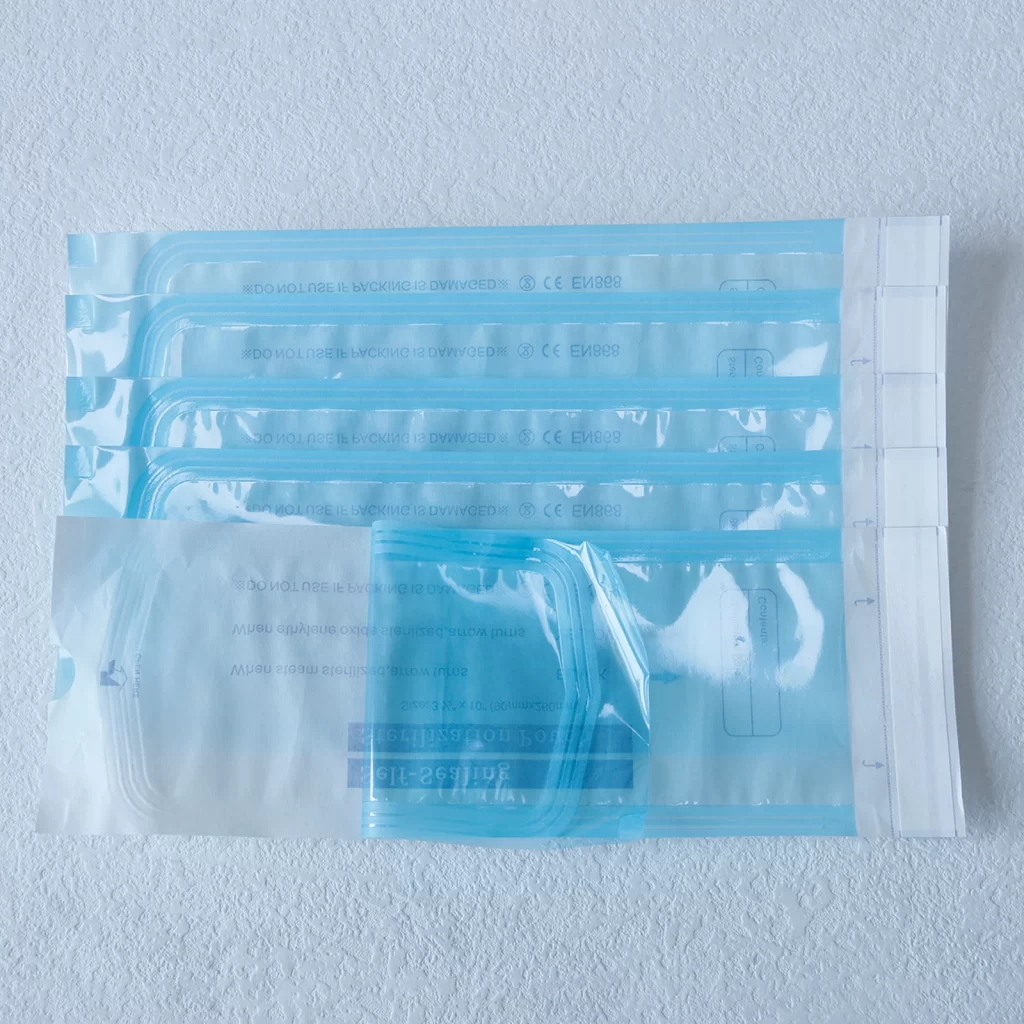
A paper plastic sterilization pouch is a preformed sterile barrier packaging solution made from:
- Medical-grade paper (one side)
- Transparent plastic film (other side, typically PET/CPP or PET/PE multilayer film)
The paper side allows sterilant penetration and drying, while the plastic film provides visibility and mechanical strength. Together, they form a validated sterile barrier system compliant with standards such as:
- International Organization for Standardization ISO 11607
- EN 868 (European sterilization packaging standards)
This combination makes paper-plastic pouches especially suitable for steam and ethylene oxide (EO) sterilization.
Why Paper Plastic Sterilization Pouches Are So Widely Used
Despite the availability of all-plastic and Tyvek-based packaging, paper-plastic pouches continue to dominate the market for several reasons.
1️⃣ Excellent Breathability for Sterilization
Medical-grade paper allows:
- Effective steam penetration
- Proper EO gas diffusion
- Efficient moisture evaporation after sterilization
This breathable structure is essential for preventing “wet packs” in steam sterilization cycles.
2️⃣ Cost-Effective for High-Volume Use
Compared to synthetic sterile barrier materials such as Tyvek, paper-plastic sterilization pouches are more economical.
For hospitals and dental clinics that sterilize instruments daily, cost efficiency is a major advantage without sacrificing safety.
3️⃣ Clear Visibility of Contents
The transparent plastic film enables:
- Quick visual inspection
- Easier identification of instruments
- Reduced handling errors
This is particularly valuable in hospital CSSD departments where efficiency and accuracy are critical.
4️⃣ Easy Aseptic Opening
Properly designed pouches provide:
- Clean peeling
- Minimal fiber tear
- Reduced contamination risk during opening
A smooth peel reduces the risk of sterile field contamination in operating rooms.
Common Applications of Paper Plastic Sterilization Pouches
The paper plastic sterilization pouch is ideal for lightweight to moderately weighted medical instruments.
🔹 Hospitals & Clinics
- Surgical forceps
- Scalpels
- Scissors
- Medical trays
- Minor procedure kits
🔹 Dental Practices
- Dental mirrors
- Scalers
- Orthodontic tools
🔹 Medical Device Manufacturers
- Small non-implantable devices
- Single-use instruments
- Diagnostic tools
🔹 Veterinary Clinics
- Surgical instruments
- Examination tools
Because of its compatibility with steam sterilization, this pouch type is especially popular in facilities using autoclaves.
Sterilization Compatibility
Choosing a sterile barrier system always starts with understanding the sterilization method.
✅ Steam Sterilization (Autoclave)
Paper-plastic pouches are highly suitable for:
- 121°C cycles
- 134°C cycles
The paper allows steam penetration and subsequent drying, preventing residual moisture.
✅ Ethylene Oxide (EO) Sterilization
Paper-plastic pouches also perform well under EO sterilization:
- Gas penetration through paper
- Adequate aeration post-sterilization
This makes them suitable for temperature-sensitive medical devices.
❌ Hydrogen Peroxide Plasma Sterilization
Paper-based materials are generally not recommended for plasma sterilization because cellulose can absorb hydrogen peroxide and interfere with sterilization efficacy.
For plasma sterilization, synthetic materials such as Tyvek (developed by DuPont) are typically preferred.
Material Structure & Technical Features
A high-quality paper plastic sterilization pouch typically includes:
- 60–70 gsm medical-grade paper
- Multi-layer co-extruded plastic film
- Triple side seal construction
- Sterilization indicator ink (steam or EO indicators)
Key Performance Parameters:
- Seal strength
- Burst resistance
- Microbial barrier performance
- Peel strength
- Tensile strength
Manufacturers must validate these properties according to ISO 11607 requirements.
Regulatory & Compliance Considerations
For international markets such as the US and EU, compliance is non-negotiable.
Relevant standards include:
- U.S. Food and Drug Administration FDA packaging requirements
- ISO 11607 (Packaging for terminally sterilized medical devices)
- EN 868 series
When selecting a supplier, request:
- Material validation reports
- Biocompatibility data
- Sterilization compatibility testing
- Batch traceability documentation
Failure to meet regulatory standards can delay product approvals or lead to recalls.
Advantages vs Limitations
Advantages
✔ Cost-effective
✔ Excellent steam compatibility
✔ Good microbial barrier
✔ Easy identification of contents
✔ Widely accepted in global markets
Limitations
⚠ Lower puncture resistance compared to synthetic materials
⚠ Not ideal for heavy or sharp devices
⚠ Not suitable for plasma sterilization
⚠ Shorter shelf life compared to high-performance synthetic barriers
Understanding these limitations helps prevent inappropriate applications.
Cost vs Risk: Making the Right Choice
While paper-plastic sterilization pouches are economical, selecting the cheapest option without considering device characteristics can be risky.
Ask yourself:
- Is the device sharp or heavy?
- What sterilization method is used?
- What is the required sterile shelf life?
- Which markets will the product be exported to?
If the product is low-risk and steam sterilized, paper-plastic pouches are often the optimal solution.
However, high-value or implantable devices may require more advanced materials.
How to Choose the Right Paper Plastic Sterilization Pouch
When evaluating suppliers, consider:
- Paper quality and porosity consistency
- Seal strength validation
- Indicator ink accuracy
- Custom sizing availability
- Cleanroom production capability
- International certifications
A reliable manufacturer should also provide technical support for packaging validation.
Future Outlook
As global healthcare demand increases, the need for reliable, compliant, and cost-efficient sterile barrier systems continues to grow.
Paper plastic sterilization pouches remain a foundational solution in hospitals and medical device packaging due to their balance of performance and affordability.
With increasing regulatory scrutiny worldwide, choosing validated and compliant packaging suppliers is more important than ever.
Preguntas frecuentes
Q1: Can paper plastic sterilization pouches be reused?
No. They are designed for single-use sterilization cycles.
Q2: What is the typical shelf life?
Shelf life depends on storage conditions and validation, typically ranging from 1–3 years.
Q3: Are they suitable for implantable devices?
Generally not recommended for high-risk implantable products; stronger synthetic barriers are preferred.
Q4: What thickness of paper is used?
Most pouches use 60–70 gsm medical-grade paper for optimal balance between strength and breathability.
Final Thoughts
The paper plastic bolsa de esterilización remains one of the most practical and widely adopted sterile barrier solutions in healthcare environments worldwide.
Its key advantages — breathability, affordability, compatibility with steam and EO sterilization, and regulatory acceptance — make it ideal for hospitals, dental clinics, and manufacturers of non-implantable medical devices.
By carefully assessing sterilization methods, device characteristics, compliance requirements, and supplier reliability, buyers can confidently select the right packaging solution to protect both products and patients.

